Garden
Hummingbird Garden Decor: 30+ Beautiful Ideas to Attract and Delight Hummingbirds
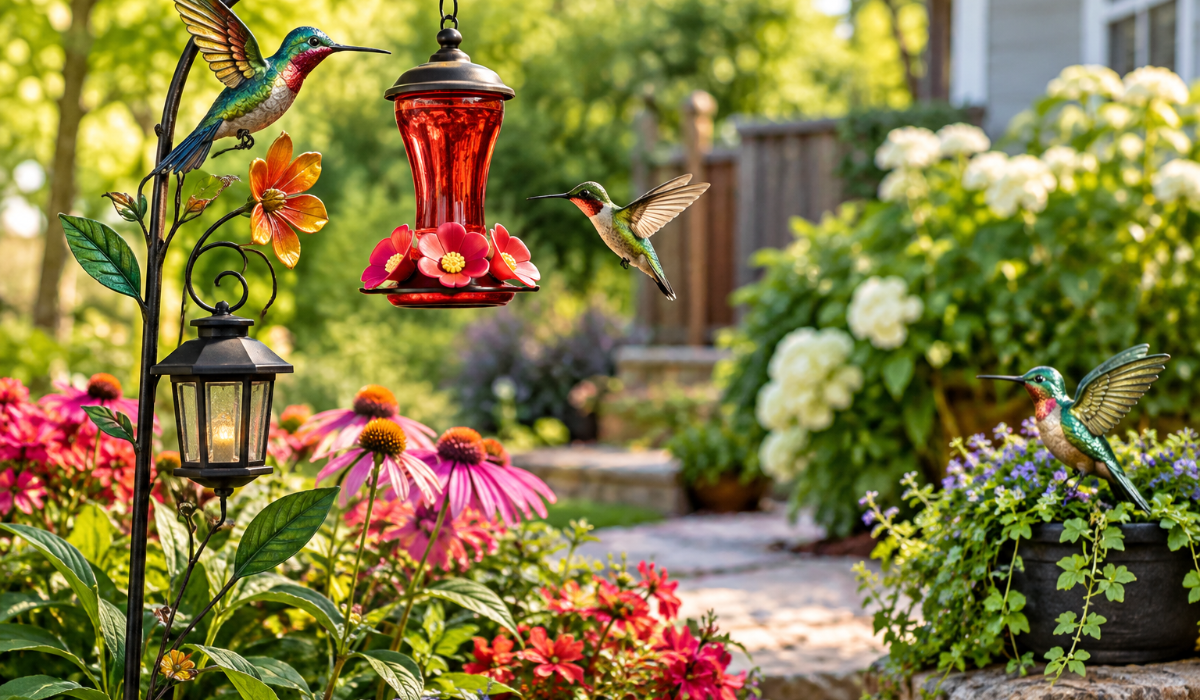
A well-designed garden can be more than a beautiful outdoor space. With the right hummingbird garden decor, you can create a colorful, inviting habitat that encourages these tiny, energetic birds to visit while adding personality to your yard, patio, balcony, or porch. The best designs combine decorative elements with practical features such as nectar-rich flowers, safe perches, shallow water, shelter, and carefully positioned feeders.
Hummingbirds are attracted primarily to food and suitable habitat rather than decoration alone. Native flowering plants, especially tubular blooms, can provide natural nectar, while shrubs and trees offer cover, perches, nesting opportunities, and insects that hummingbirds also need. Audubon recommends combining flowers, feeders, perches, insects, and water to create a healthier hummingbird-friendly yard.
That does not mean your garden has to look wild or unfinished. Decorative bird stakes, colorful planters, rustic signs, garden sculptures, trellises, hanging baskets, and water features can be integrated into a thoughtful landscape design. In this guide, you will learn how to choose hummingbird garden decor, where to place it, which plants work best, what mistakes to avoid, and how to build a beautiful space that benefits both you and visiting birds.
Key Takeaways
- Combine decorative features with real hummingbird habitat.
- Prioritize native nectar-producing flowers whenever possible.
- Choose tubular red, orange, pink, or other hummingbird-friendly blooms.
- Use feeders as a supplement rather than a replacement for flowering plants.
- Add perches, shrubs, trees, and dense foliage for resting and protection.
- Provide clean water through a shallow bath, mister, or gentle fountain.
- Avoid pesticides because hummingbirds also eat insects and spiders.
- Use garden decor to create vertical interest without blocking flight paths.
- Group flowers in clusters so they are easier for hummingbirds to find.
- Plan for flowers that bloom at different times to provide seasonal resources.
- Keep feeders clean and replace nectar regularly, especially in hot weather.
- Choose weather-resistant materials for outdoor decorative accents.
What Is Hummingbird Garden Decor?
Hummingbird garden decor refers to decorative and functional outdoor elements designed to complement a garden created for hummingbirds. These features can include bird-themed sculptures, colorful garden stakes, hanging planters, trellises, decorative feeders, water features, painted pots, garden signs, wind spinners, and natural-looking structures. Some pieces are purely ornamental, while others can provide useful habitat functions such as shelter, shade, perching, or access to nectar.
The most effective hummingbird garden decor does not simply display bird motifs. Instead, it supports a garden layout that makes food, water, shelter, and resting places easy to access. A decorative trellis covered with a suitable flowering vine, for example, can become both an attractive focal point and a nectar source. Likewise, a beautiful planter can become valuable habitat when filled with appropriate flowering plants.
This approach is important because hummingbirds have demanding energy requirements. Audubon notes that hummingbirds may visit between 1,000 and 2,000 flowers per day and need frequent feeding to support their high-energy lifestyle. Your garden therefore works best when decoration is built around genuine habitat rather than treated as the main attraction.
Why Hummingbird-Friendly Garden Design Matters
A hummingbird-friendly garden offers more than visual appeal. It can provide nectar, insects, water, shelter, and resting locations while giving homeowners an opportunity to observe fascinating wildlife at close range. Native plants can be particularly valuable because they are adapted to local conditions and can support insects that form an important part of hummingbird diets.
Hummingbirds consume nectar for quick energy, but they do not live on sugar alone. They also eat small insects, spiders, and other arthropods, making a pesticide-free garden especially valuable. Penn State Extension explains that hummingbirds obtain insects from flowers, foliage, and the air, while also using nectar from flowers and sugar-water feeders.
A successful garden should therefore be designed as a small ecosystem. Flowers provide nectar, plants support insects, trees and shrubs provide shelter, and water gives birds opportunities to bathe. Decorative elements then add structure, color, visual interest, and a personal style that makes the space enjoyable for people as well.
Best Hummingbird Garden Decor Ideas
Decorative Hummingbird Garden Stakes
Hummingbird garden stakes are one of the easiest ways to introduce bird-themed decoration. Choose metal, ceramic, wood, or weather-resistant resin stakes featuring hummingbirds, flowers, leaves, or abstract shapes. Place them between flowering plants rather than directly in the middle of dense foliage.
Bright accents can visually reinforce the color palette of the garden. However, the plants should remain the main attraction because real flowers provide the resources hummingbirds need. Use stakes to mark pathways, define planting beds, or add height to low-growing flower displays.
Hummingbird-Themed Garden Signs
A small garden sign can give the space a finished appearance without overwhelming the planting design. Consider messages such as “Hummingbird Haven,” “Welcome Hummingbirds,” or a simple botanical-inspired phrase. Wood signs work particularly well in rustic, cottage, farmhouse, and natural garden styles.
Position signs where they can be seen from a path, patio, or garden entrance. Avoid placing large signs directly beside feeders or flowers because excessive visual clutter can make the planting area look cramped. A single well-positioned sign often has more impact than several small signs scattered throughout the garden.
Decorative Trellises
A trellis is one of the most useful pieces of hummingbird garden decor because it combines structure and beauty. It can support appropriate flowering vines while creating vertical interest in a relatively small area. Coral honeysuckle, for example, is a native hummingbird-friendly vine in parts of the United States and is specifically recommended by Audubon.
Choose a trellis based on the mature size and growth habit of the vine rather than appearance alone. A strong wooden or metal structure can become a long-term garden feature, while a lightweight decorative trellis may work better for annual container plants. Always check whether a vine is appropriate for your local climate and whether it has invasive tendencies before planting it.
Hummingbird-Themed Wind Spinners
Wind spinners can add movement to a hummingbird garden without requiring much maintenance. Designs featuring birds, flowers, leaves, or jewel-like colors can complement nectar beds and pathways. Their gentle motion can also make an otherwise static garden feel more dynamic.
Use wind spinners selectively because too many moving objects can make the space visually busy. Keep them away from the immediate flight path around feeders and major flower clusters. The goal is to create visual interest without turning the garden into an obstacle course.
Decorative Hanging Baskets
Hanging baskets are excellent for porches, balconies, patios, and small gardens. They allow gardeners to grow nectar-producing flowers at eye level while creating layers of color above ground. Audubon notes that even a window box or hanging basket can contribute to a hummingbird-friendly space.
Use sturdy hooks and containers that can withstand wind and rain. Select plants according to your local growing conditions and provide enough water because containers can dry out faster than garden beds. A series of three matching baskets can create a polished look, while different sizes can create a more informal cottage-garden effect.
Decorative Planters
Colorful planters are another simple way to incorporate hummingbird garden decor into an existing landscape. Terracotta pots suit Mediterranean and rustic gardens, while glazed ceramic containers can provide a more colorful contemporary appearance. Wooden planters can work particularly well with natural and farmhouse themes.
Use planters to group hummingbird-friendly plants near seating areas or windows. Repeating the same container style can make several unrelated planting areas feel connected. Remember that the decorative container is only part of the design; drainage, soil quality, plant size, and watering needs remain essential.
Hummingbird Garden Sculptures
Small sculptures can act as focal points in larger gardens. A metal hummingbird sculpture surrounded by flowering plants can create a memorable centerpiece without taking up much planting space. Natural materials such as weathered steel, stone, wood, and clay often blend more comfortably into garden environments than highly reflective plastic.
Place sculptures near—but not directly inside—flowering clusters. This keeps the plants visually dominant and leaves enough open space for hummingbirds to move freely. A sculpture can also be positioned at the end of a pathway to create a destination within the garden.
Decorative Birdbaths and Misters
Traditional deep birdbaths are not always ideal for hummingbirds. These birds particularly enjoy shallow water, droplets on leaves, and fine mist. Audubon recommends a constant source of water such as a drip fountain attachment or fine misting device.
A shallow decorative basin can therefore be both attractive and practical. Choose a design with a textured surface that gives birds secure footing. Keep the water clean and place the feature where it is protected from excessive debris while remaining close enough to vegetation for cover.
Natural Branch Perches
One of the simplest forms of hummingbird garden decor costs almost nothing. A carefully positioned natural branch can serve as a rustic garden accent while giving hummingbirds a place to rest and watch their surroundings. Audubon specifically recommends leaving some sticks and small branches on bushes and trees to provide perches.
Instead of purchasing artificial perches, consider incorporating natural woody structure into the garden. A small branch mounted securely on a natural post can look intentional without appearing manufactured. Position it near, but not directly above, feeding areas so birds have a convenient resting location.
Decorative Stones and Pathways
Stone borders, gravel paths, and stepping stones can frame a hummingbird garden beautifully. Natural stone works particularly well with native plantings because it creates a relaxed, organic appearance. Pale stones can also visually contrast with deep green foliage and bright flowers.
Use paths to guide visitors through the garden without requiring them to step into planting beds. Curved pathways can make a small garden feel larger, while straight paths create a more formal appearance. Keep the planting areas generous enough to support clusters of flowers rather than dividing them into too many tiny sections.
Best Plants for a Hummingbird Garden
Plants are the foundation of a true hummingbird habitat. Decorative objects can improve the appearance of your garden, but flowering plants provide the nectar that makes the space useful to hummingbirds. The best plant choices depend on your region, climate, soil, sunlight, and the hummingbird species that occur locally.
Native plants should generally be a priority because they are adapted to regional conditions and can provide additional ecological benefits. Audubon’s hummingbird recommendations include bee balm, coral honeysuckle, cardinal flower, and several native sage species.
The following examples are widely associated with hummingbird gardens, but gardeners should verify local suitability before purchasing plants.
| Plant | Type | Typical Appeal | Design Use |
| Bee balm | Perennial | Tubular flowers and nectar | Flower beds |
| Cardinal flower | Perennial | Brilliant red blooms | Moist areas |
| Trumpet honeysuckle | Vine | Tubular flowers | Trellises |
| Penstemon | Perennial | Tubular blooms | Borders and containers |
| Columbine | Perennial | Early-season flowers | Woodland edges |
| Salvia | Annual/perennial depending on species | Long flowering period | Containers and beds |
| Agastache | Perennial | Nectar-rich flower spikes | Sunny borders |
| Fuchsia | Container plant in many climates | Pendant flowers | Hanging baskets |
Choose Tubular Flowers
Flower shape is particularly important when planning a hummingbird garden. Hummingbirds have long bills and tongues that allow them to reach nectar in tubular flowers. Penn State Extension notes that hummingbirds are especially attracted to red, orange, and pink flowers with tubular forms, although they use flowers in many colors.
Do not interpret this as a rule that every flower must be red. Color is only one part of the equation, and local hummingbirds may visit flowers in numerous shades. A better strategy is to combine flower shape, nectar availability, bloom time, plant structure, and local suitability.
Plan for Continuous Bloom
A garden with one spectacular bloom period can look impressive for a few weeks but provide limited resources outside that window. Instead, choose plants with different flowering periods. U.S. Fish & Wildlife Service recommends including plants that bloom from early spring through late fall when planning pollinator gardens, while local conditions should determine the exact species.
Think of your garden as a seasonal menu. Early flowers can support arriving birds, summer blooms can provide abundant nectar, and late-season flowers can help migrating hummingbirds refuel. This approach also creates changing colors and textures that keep the landscape attractive throughout the growing season.
How to Combine Decor and Habitat
Good hummingbird garden decor should support a clear landscape structure. Start by identifying the garden’s main viewing point, such as a kitchen window, porch, patio, or outdoor seating area. Then position the most colorful flowers and attractive decorative features where they can be enjoyed without disrupting the birds’ access.
Think in layers rather than placing everything at ground level. Low flowers can form the front layer, medium perennials can occupy the middle, and shrubs, trellises, or small trees can create a taller background. Audubon recommends thinking vertically and using structures such as trellises, trees, sheds, window boxes, and planters to create additional growing opportunities.
| Garden Layer | Recommended Features | Purpose |
| Ground | Stepping stones, low flowers, mulch | Pathways and visual foundation |
| Low | Perennials, small pots, garden stakes | Nectar and decoration |
| Middle | Shrubs, larger planters, birdbaths | Cover and visual depth |
| Upper | Trellises, hanging baskets, vines | Vertical habitat |
| Background | Trees, tall shrubs, screens | Shelter and perches |
Avoid filling every open area with ornaments. Hummingbirds need maneuvering space, and a garden can look more sophisticated when decorative objects are separated by intentional areas of foliage and open air.
Hummingbird Feeders and Decorative Placement
Feeders can be useful additions to a hummingbird garden, particularly when natural flowers are limited during migration or early in the season. However, a feeder should supplement a garden rather than replace flowering plants. Native plants can provide nectar while also supporting insects and offering habitat features that sugar water cannot provide.
A simple hummingbird nectar recipe is four parts water to one part ordinary white sugar. Audubon recommends boiling the solution briefly, allowing it to cool, and avoiding honey, artificial sweeteners, and red dye.
Feeder hygiene is essential. Clean feeders frequently and replace nectar before it becomes cloudy or spoiled, with more frequent maintenance required during hot weather. A shaded location can slow deterioration, although it does not eliminate the need for cleaning.
| Feeder Practice | Recommended Approach |
| Nectar ratio | 4 parts water to 1 part white sugar |
| Coloring | Do not add red dye |
| Honey | Do not use |
| Placement | Near flowers but away from heavy traffic |
| Cleaning | Clean frequently and whenever nectar looks cloudy |
| Multiple birds | Consider multiple separated feeders |
| Storage | Refrigerate unused prepared nectar |
Aggressive hummingbirds may defend feeders from other birds. If one bird dominates a feeding station, adding another feeder farther away can help distribute activity. Penn State Extension also recommends placing feeders near flower clusters initially so hummingbirds can discover them more easily.
Water Features for Hummingbirds
Water is an often-overlooked component of hummingbird garden decor. Hummingbirds do not necessarily use deep birdbaths in the same way larger birds do, but they can bathe in fine sprays and droplets. A shallow basin combined with a mister can therefore be more useful than a deep decorative pool.
A small fountain can also become an attractive focal point. Choose a quiet model if the garden is close to seating or sleeping areas, and keep the water moving enough to discourage stagnation. Clean the feature regularly and remove leaves or other debris.
Consider placing the water feature near shrubs or small trees. This gives hummingbirds nearby cover while keeping the water visible and accessible. Avoid creating dense hiding spots immediately beside the feature if they could provide easy ambush points for predators.
DIY Hummingbird Garden Decor
DIY projects can make a hummingbird garden feel personal without requiring a large budget. They also provide an opportunity to reuse materials such as old pots, wooden boards, branches, stones, and weather-resistant metal. The key is to make sure the finished object is stable, safe, and suitable for outdoor conditions.
DIY Hummingbird Sign
Use a sealed wooden board and paint a simple hummingbird silhouette, flower pattern, or garden message. Install the sign on a sturdy post near the garden entrance. Choose exterior-rated paint and sealant so moisture does not quickly damage the wood.
DIY Branch Perch
Select a clean, sturdy branch with several small side twigs. Secure it to a stable natural post or structure where it cannot fall into a walkway. Position it near flowering plants so hummingbirds have an easy place to pause between feeding flights.
Painted Container Collection
Collect several durable containers in complementary shapes and sizes. Paint them in two or three garden colors rather than using a different color for every pot. Fill them with suitable nectar-producing plants and group them around a patio or garden entrance.
Upcycled Garden Art
Old metal tools, reclaimed wood, stones, or salvaged garden structures can become decorative accents. Avoid sharp edges, toxic coatings, unstable pieces, or materials that could break into dangerous fragments. A simple weathered finish often looks more natural than overly elaborate ornamentation.
Small-Space and Balcony Ideas
You do not need a large yard to create hummingbird garden decor. A balcony, patio, porch, or small courtyard can provide useful resources when plants are selected carefully. Audubon specifically notes that even window boxes and hanging baskets can contribute to hummingbird habitat.
Start with containers that receive enough sunlight for your chosen plants. Use a combination of vertical and horizontal elements, such as one trellis, several pots, and a hanging basket. This creates more planting space without taking over the entire floor area.
| Small-Space Feature | Best Use |
| Hanging basket | Adds nectar plants above eye level |
| Window box | Creates a compact flower cluster |
| Narrow trellis | Adds vertical planting space |
| Wall-mounted planter | Useful for patios and balconies |
| Small water mister | Provides bathing opportunities |
| Decorative pot | Combines color with habitat |
A compact design can also be easier to maintain than a large garden. You can inspect flowers, remove damaged foliage, clean water features, and monitor feeders from a single location. Just remember that containers may dry out more quickly than plants growing in the ground.
Rustic, Modern, Cottage, and Natural Styles
Rustic Hummingbird Garden
Rustic gardens work well with reclaimed wood, galvanized metal, stone, natural branches, terracotta pots, and weathered signs. Keep the planting loose and informal, with flowers grouped in generous clusters. A wooden trellis covered with a suitable vine can serve as the primary architectural feature.
Modern Hummingbird Garden
Modern designs benefit from repetition and clean lines. Use geometric planters, simple metal sculptures, smooth stone, and a limited color palette. Keep decorative pieces intentional and allow strong plant forms to provide most of the visual interest.
Cottage Hummingbird Garden
Cottage gardens can combine overflowing flower beds, painted pots, arbors, baskets, small signs, and winding paths. Use varied heights and colors to create an informal appearance. The challenge is to maintain enough structure so the space feels abundant rather than chaotic.
Natural Hummingbird Garden
A naturalistic garden emphasizes native plants, branches, shrubs, stone, and minimal manufactured decoration. This style is especially appropriate when habitat value is the priority. A few carefully placed natural features can provide all the decoration the garden needs.
Pros and Cons of Hummingbird Garden Decor
Decorative elements can make a garden more inviting, but not every ornament improves habitat. Before purchasing something, ask whether it adds function, visual structure, or both.
| Pros | Cons |
| Adds personality | Can create visual clutter |
| Creates focal points | Some materials weather poorly |
| Defines pathways | Cheap decor may break easily |
| Adds vertical interest | Excessive objects can obstruct movement |
| Can support plants | Decorative feeders still require maintenance |
| Improves viewing areas | Some products offer little habitat value |
The strongest approach is to use decoration strategically. A trellis that supports nectar-rich vines has more ecological value than a plastic bird ornament sitting alone in an empty bed. A shallow water feature can be both attractive and functional, while a weather-resistant sculpture can provide a focal point without consuming planting space.
Common Hummingbird Garden Mistakes
Using Only Decorative Flowers
A garden can contain hundreds of flower motifs and still provide little useful habitat. Real flowers should remain the foundation. Select plants based on nectar production, local suitability, flowering periods, and habitat value rather than color alone.
Choosing Plants Without Checking Local Conditions
A plant that thrives in one region may struggle elsewhere. Soil, temperature, rainfall, humidity, sunlight, and winter conditions all influence plant performance. U.S. Fish & Wildlife Service recommends using regional native-plant resources and checking whether plants are appropriate for local growing conditions.
Relying Only on Feeders
Feeders provide sugar water but do not replace natural habitat. Hummingbirds also need insects, shelter, resting places, and natural nectar sources. A diverse planting plan is therefore more sustainable than a feeder-only strategy.
Ignoring Pesticides
Pesticides can reduce the insects hummingbirds need for protein and may create additional risks for wildlife. Audubon and Penn State Extension both recommend minimizing pesticide use in hummingbird-friendly landscapes.
Overcrowding the Garden
Too many signs, sculptures, spinners, feeders, pots, and ornaments can make a garden difficult to navigate visually and physically. Leave open flight corridors and allow plants to provide the majority of the texture. Good design usually comes from balance rather than quantity.
Forgetting Maintenance
A beautiful feeder or fountain can become a problem if it is neglected. Nectar needs regular replacement, feeders need cleaning, and water features need fresh water. Add maintenance tasks to your gardening routine so decorative habitat remains healthy throughout the season.
Seasonal Maintenance Guide
A hummingbird garden changes considerably throughout the year. Instead of treating maintenance as one large annual project, divide it into seasonal tasks. This makes the garden easier to manage and allows you to respond to changing flowering and migration patterns.
| Season | Main Tasks |
| Spring | Plant flowers, inspect feeders, clean containers, add early blooms |
| Summer | Water deeply, deadhead where appropriate, clean feeders frequently |
| Fall | Maintain late flowers, support migrating birds, clean garden structures |
| Winter | Protect suitable plants, repair decor, plan next year’s planting |
Spring is a good time to inspect every decorative feature. Tighten loose trellis hardware, replace damaged hooks, wash containers, and remove broken garden art. If hummingbirds are expected in your region, have flowering plants and clean feeders ready at the appropriate time.
Summer usually requires the most watering and maintenance. Containers can dry rapidly during hot weather, while feeders may require more frequent cleaning. Keep an eye on plants around decorative structures because vigorous vines and stems can quickly hide signs of damage.
Fall is an opportunity to preserve late-season nectar sources and prepare decorative elements for changing weather. Do not remove every natural branch or plant stem simply to make the garden look tidy. Some natural structure can provide useful habitat and shelter.
How to Plan a Hummingbird Garden Step by Step
Use this process to turn an ordinary outdoor area into a coordinated hummingbird habitat.
- Observe the space. Identify sunlight, shade, existing trees, drainage, wind, and viewing points.
- Research local hummingbirds. Determine which species are likely to visit and when they appear.
- Choose native plants. Prioritize species suited to your local climate and soil.
- Create bloom succession. Select plants that flower at different times.
- Group plants. Use clusters instead of scattering single flowers across the garden.
- Add vertical structure. Install a trellis, arbor, shrub, or small tree where appropriate.
- Create perches. Preserve natural branches or add safe natural-looking structures.
- Add water. Use a shallow bath, drip, or fine mist.
- Install a feeder if desired. Keep it clean and treat it as a supplement.
- Add decorative accents. Choose signs, stakes, sculptures, containers, and other features that fit the garden style.
- Remove hazards. Check for sharp objects, unstable structures, pesticide exposure, and predator access.
- Maintain the habitat. Water plants, clean feeders, refresh water, and monitor the garden regularly.
The order matters because habitat should come before decoration. Once you know where flowers, shelter, water, and flight paths belong, decorative elements can be placed where they strengthen the overall composition instead of competing with it.
Expert Tips for Better Hummingbird Garden Decor
Use repetition. Repeating one material or color can make unrelated features feel like part of the same garden. For example, three terracotta pots can visually connect a flower bed, patio, and pathway.
Create a focal point. Choose one major feature, such as an arbor, water feature, sculpture, or large planter group. Allow smaller decorative elements to support that feature rather than compete with it.
Think vertically. Vertical gardens are especially useful in small spaces. Trellises, hanging baskets, tall plants, and narrow planters can dramatically increase visual interest without requiring more ground space.
Keep flight paths open. Hummingbirds are agile, but they still need room to approach flowers and feeders. Avoid placing bulky decorations directly in front of nectar sources.
Use natural materials where possible. Wood, stone, clay, and weather-resistant metal tend to blend into planting schemes more effectively than excessive synthetic ornamentation.
Choose local plants first. Plant availability varies widely by region, and not every popular “hummingbird plant” is appropriate everywhere. Audubon and U.S. Fish & Wildlife Service both emphasize selecting native or regionally appropriate plants.
Design for insects too. A hummingbird garden should not be sterile. Because hummingbirds eat insects and spiders as well as nectar, a garden with healthy insect activity can provide a more complete habitat.
Make viewing comfortable. Place your best flower clusters where you can see them from a window, porch, or patio. A garden becomes much more rewarding when its wildlife activity is easy to observe.
Hummingbird Garden Decor Checklist
- Native nectar-producing plants selected
- Tubular flowers included
- Early-, mid-, and late-season blooms considered
- Flowers grouped into visible clusters
- At least one resting perch provided
- Safe shelter available nearby
- Clean water source included
- Feeder installed only if useful
- Feeder positioned away from excessive heat
- Nectar maintenance schedule established
- Pesticide use minimized
- Decorative materials checked for outdoor durability
- Flight paths kept open
- Garden visible from a comfortable viewing area
- Local invasive-plant concerns checked
Quick Summary of the Best Ideas
| Goal | Best Solution |
| Add color | Flowering plants and painted containers |
| Add height | Trellis, arbor, hanging baskets |
| Add movement | Wind spinner used sparingly |
| Add wildlife value | Native flowers, shrubs, and trees |
| Encourage bathing | Fine mist or shallow water |
| Provide resting space | Natural branches and shrubs |
| Create a focal point | Sculpture, water feature, or arbor |
| Decorate cheaply | DIY signs, branches, stones, reused pots |
| Improve small gardens | Vertical planting and containers |
| Create a natural look | Native plants, stone, wood, and branches |
Conclusion
The best hummingbird garden decor does more than make an outdoor space look attractive. It combines beauty with habitat by surrounding decorative features with nectar-rich flowers, native plants, safe perches, water, shelter, and healthy insect activity. When these elements work together, your garden becomes both a visual retreat and a more useful environment for visiting hummingbirds.
Start with the basics rather than buying dozens of ornaments. Choose plants that suit your local conditions, create a succession of blooms, group flowers into visible clusters, and provide places where birds can rest and bathe. Then add decorative stakes, planters, trellises, sculptures, signs, stones, or water features that complement the garden’s natural structure.
Whether you have a large backyard or a tiny balcony, thoughtful design can make a difference. The goal is not to create the most decorated garden, but to create a space where functional habitat and personal style reinforce each other. With the right balance, hummingbird garden decor can transform an ordinary outdoor area into a colorful, relaxing, wildlife-friendly garden that you will enjoy throughout the season.
Frequently Asked Questions
What is the best hummingbird garden decor?
The best hummingbird garden decor combines attractive design with useful habitat features. Trellises, planters, water features, natural perches, and flowering plants are especially effective. Decorative sculptures and signs can then add personality without replacing habitat. Always prioritize safe flight paths and real nectar sources.
What plants attract hummingbirds to a garden?
Hummingbirds commonly favor nectar-rich, tubular flowers such as bee balm, cardinal flower, trumpet honeysuckle, penstemon, columbine, and suitable salvias. Native plants are generally the strongest starting point because they fit local ecological conditions. Plant choices should be adjusted for your region. Blooming at different times can also extend the garden’s usefulness.
Can hummingbird garden decor be used on a balcony?
Yes, a balcony can support a compact hummingbird-friendly garden. Hanging baskets, window boxes, vertical trellises, and suitable containers can provide nectar and visual interest. Choose plants that tolerate your balcony’s sunlight and wind conditions. Make sure all containers and decorative objects are securely fastened.
Should I use a hummingbird feeder with my garden decor?
A feeder can supplement natural nectar sources, particularly during periods when flowers are scarce. It should not be considered a replacement for flowering plants and broader habitat. Use a four-to-one water-to-white-sugar solution and keep the feeder clean. Avoid honey and red dye in the nectar.
What colors are best for hummingbird garden decor?
Red, orange, pink, and similar bright colors can complement a hummingbird garden because hummingbirds are often attracted to these flower colors. However, flower shape and nectar availability are also important. You do not need to make every decorative object red. A balanced color palette usually creates a more attractive garden.