Garden
Flowers That Look Like a Bird: 12 Amazing Bird-Shaped Flowers
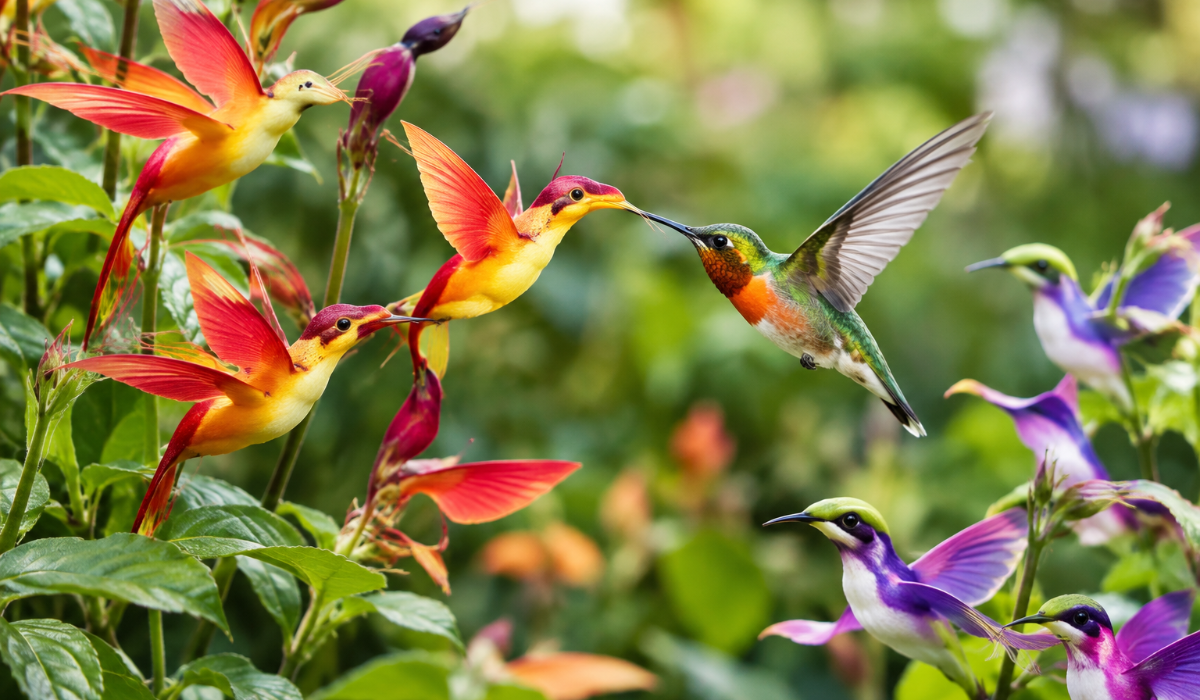
Have you ever looked at a flower and thought it resembled a tiny bird? Nature produces some remarkably unusual blooms, and several species have shapes that look surprisingly similar to flying ducks, white egrets, parrots, doves, and tropical birds. These fascinating plants are often searched for as flowers that look like a bird because their petals, sepals, bracts, and reproductive structures create recognizable animal-like shapes.
Some bird-shaped flowers are orchids, while others belong to completely different plant families. Their resemblance can be obvious from a distance or become visible only when you look closely at the individual flower. In some cases, unusual floral structures developed because of specialized pollination, while in other cases the resemblance is simply an intriguing visual similarity.
This guide explores the most fascinating flowers that look like a bird, including their scientific names, appearances, growing conditions, natural habitats, and interesting characteristics. Whether you are a gardener, plant collector, photographer, nature enthusiast, or simply curious about unusual flowers, these examples show just how creative nature can be.
Key Takeaways
- Many flowers have natural shapes that resemble birds.
- Bird of paradise is one of the most recognizable bird-like flowers.
- The flying duck orchid looks remarkably similar to a duck in flight.
- The white egret orchid resembles a white bird with outstretched wings.
- The dove orchid contains a structure that resembles a tiny dove.
- The parrot flower is known for its colorful bird-like appearance.
- Most bird-shaped flowers are not literally mimicking birds.
- Orchids contain many of the world’s most unusual animal-like flowers.
- Growing requirements vary significantly between species.
- Rare orchids should always be sourced responsibly and legally.
What Are Flowers That Look Like a Bird?
Flowers that look like a bird are flowering plants whose blooms resemble the shape, posture, colors, or features of a bird. The resemblance may involve an entire flower or just a particular part of the bloom. For example, one flower may look like a bird in flight, while another may have a small central structure that resembles a dove.
These flowers are especially interesting because floral structures can become extremely specialized. Petals may spread like wings, curved structures may look like beaks, and contrasting colors can create the impression of feathers or eyes. Orchids are particularly famous for producing flowers with surprising animal-like forms.
However, a bird-like appearance does not necessarily mean that a flower evolved specifically to resemble a bird. Human perception also plays a role. Our brains are naturally good at recognizing familiar shapes, which means we may see animals in complex natural structures.
Why Do Flowers Look Like Birds?
Specialized Floral Structures
Flowers are not simply colorful decorations. Their shapes often serve important reproductive functions, including attracting pollinators and positioning them correctly for pollen transfer.
When petals, sepals, lips, and other structures develop unusual curves and angles, they can accidentally or intentionally create shapes that look like animals. Orchids provide some of the clearest examples because their flowers often have highly modified structures.
Pollination Adaptations
Some unusual flowers have evolved specialized relationships with insects, birds, or other pollinators. Their shape, color, fragrance, and nectar placement can all influence how pollinators interact with the flower.
The flying duck orchid, for example, has a remarkable pollination mechanism involving insects. Its duck-like appearance is therefore fascinating, but the actual biological relationship is not with ducks.
Human Pattern Recognition
Another explanation is pareidolia, the tendency to recognize familiar objects or creatures in unrelated shapes. This is why one person may see a bird in a flower while another person sees something completely different.
Nevertheless, some flowers have such convincing shapes that the bird comparison has become established in their common names.
How to Recognize a Bird-Shaped Flower
If you discover an unusual flower and wonder whether it belongs among flowers that look like a bird, examine its structure carefully.
Look for:
- Wing-like petals extending from both sides.
- A curved structure that resembles a beak.
- A central shape that looks like a bird’s body.
- Long petals resembling wings or feathers.
- Bird-like color combinations.
- A side profile that becomes recognizable from a particular angle.
- A flower that resembles a specific bird species.
The angle from which you view the flower can make a significant difference. Some blooms appear ordinary from the front but look remarkably bird-like from the side.
12 Flowers That Look Like a Bird
There are numerous flowers that people compare with birds, but some are particularly famous for their resemblance.
| Flower | Scientific Name | Bird-Like Appearance | Difficulty |
| Bird of Paradise | Strelitzia reginae | Tropical bird head | Moderate |
| Flying Duck Orchid | Caleana major | Flying duck | Difficult |
| White Egret Orchid | Pecteilis radiata | White egret | Difficult |
| Dove Orchid | Peristeria elata | Small dove | Difficult |
| Parrot Flower | Impatiens psittacina | Flying parrot | Moderate–Difficult |
| White Bird of Paradise | Strelitzia nicolai | Tropical bird-like flower | Moderate |
| Crane Flower | Strelitzia reginae | Crane-like appearance | Moderate |
| Duck Orchid Relatives | Caleana spp. | Duck-like flowers | Difficult |
| Bird-Head Orchids | Various species | Bird-head forms | Varies |
| Hummingbird-Like Blooms | Various species | Hummingbird silhouette | Varies |
| Tropical Bird-Like Flowers | Various species | Bird-inspired forms | Varies |
| Animal-Mimicking Orchids | Various orchids | Bird or animal shapes | Varies |
Scientific names are important because common names can vary between regions and gardening sources.
Bird of Paradise
The bird of paradise is arguably the most famous answer when someone asks about flowers that look like a bird. Its botanical name is Strelitzia reginae, and its orange-and-blue flowers create an unmistakable tropical appearance.
The bloom emerges from a pointed structure called a spathe. The orange sepals and blue petals extend outward, creating the impression of a bird’s head, beak, and crest.
The plant is native to South Africa and has become popular worldwide as an ornamental plant. Its large leaves also make it attractive even when it is not flowering.
Why Is It Called Bird of Paradise?
The name comes from the flower’s resemblance to an exotic bird. When the bloom opens, its colorful structures appear to form a bird perched above the foliage.
The shape is particularly impressive from the side, which is why photographs often show the flowers from a profile angle.
Bird of Paradise Growing Requirements
Bird of paradise generally prefers bright light and well-drained soil. It can grow outdoors in warm climates and can also be cultivated in containers or bright indoor spaces.
It needs patience because young plants may take several years before producing flowers. Providing adequate light, nutrition, water, and warmth can encourage mature plants to bloom.
| Growing Factor | Recommended Condition |
| Light | Bright light to full sun |
| Soil | Well-drained |
| Water | Regular but avoid waterlogging |
| Humidity | Moderate to high |
| Temperature | Warm conditions preferred |
| Container growing | Possible |
| Flowering | Requires mature plants |
Flying Duck Orchid
The flying duck orchid, Caleana major, is one of the most extraordinary flowers that look like a bird. As its common name suggests, the flower resembles a tiny duck flying with its wings extended.
This orchid is native to Australia and is associated with woodland and heathland environments. The flower’s unusual structure has made it a favorite among orchid enthusiasts and people fascinated by botanical oddities.
Why Does It Look Like a Duck?
The flower’s lip, petals, and sepals combine to create a recognizable duck-like profile. When viewed from the correct direction, the bloom appears almost like a miniature duck suspended above the plant.
Its shape is not simply decorative. The flower has an unusual pollination mechanism that interacts with insects, demonstrating how complex orchid reproduction can be.
Is the Flying Duck Orchid Easy to Grow?
It is generally considered a challenging plant for ordinary home gardeners. Its specialized growing requirements and natural ecological relationships make it far less straightforward than common ornamental flowers.
For beginners, it is usually better to appreciate this species through botanical gardens, reputable orchid collections, or educational resources rather than attempting to cultivate it without adequate experience.
White Egret Orchid
The white egret orchid is another spectacular example of flowers that look like a bird. Its scientific classification is commonly associated with Pecteilis radiata, formerly widely known as Habenaria radiata.
The white flower has spreading structures that resemble the wings of an egret in flight. The resemblance becomes especially convincing when several flowers bloom along the same stem.
What Makes the Flower Look Like an Egret?
Its bright white color and wing-like petals create most of the visual effect. The flower has a delicate, airy appearance that makes it look like a small bird hovering above the plant.
The resemblance is one reason the species has become popular among plant photographers and orchid enthusiasts.
White Egret Orchid Care
This orchid requires more specialized care than many common garden flowers. Moisture management, appropriate light, seasonal growth cycles, and suitable growing media all matter.
Gardeners should research the specific growing form and climate requirements before purchasing one.
Dove Orchid
The dove orchid, Peristeria elata, is one of the most unusual members of the orchid family. Unlike flowers that resemble a complete bird in flight, this orchid has a central structure that looks remarkably similar to a small dove.
The flower has earned several common names, including dove flower and Holy Ghost orchid. Its appearance has made it especially famous among orchid collectors and botanical enthusiasts.
What Does the Dove Orchid Look Like?
The flower is generally associated with white coloration and a distinctive central structure. When viewed closely, the center can look like a tiny bird sitting within the flower.
This unusual appearance demonstrates how complex orchid floral structures can become.
Is the Dove Orchid Rare?
The species has conservation concerns and is subject to international trade restrictions. Anyone considering acquiring one should verify that the plant has been legally propagated and obtained through an appropriate source.
Rare plant collecting should always prioritize conservation over simply obtaining an unusual specimen.
Parrot Flower
The parrot flower, Impatiens psittacina, is another plant famous for its bird-like appearance. Its unusual flower can resemble a small parrot or cockatoo in flight.
The curved petals and colorful floral structures create a silhouette that is quite different from the typical appearance of garden impatiens.
Why Is It Called a Parrot Flower?
The name comes directly from the bloom’s unusual shape. When seen from the side, the flower can look like a colorful bird with wings and a curved head.
This makes it one of the most interesting examples for anyone researching unusual flowers that resemble animals.
Can You Grow It at Home?
Growing conditions can be more demanding than those of common garden impatiens. Availability can also be limited because the plant is less commonly sold than conventional ornamental varieties.
Before purchasing, research its temperature, humidity, light, soil, and watering requirements.
White Bird of Paradise
The white bird of paradise, Strelitzia nicolai, is related to Strelitzia reginae but is considerably larger. It produces dramatic foliage and white-and-blue flowers.
Its common name comes from the same bird-inspired appearance associated with the genus. However, this plant can become extremely large, making it better suited to spacious landscapes or large containers.
White Bird of Paradise vs. Orange Bird of Paradise
| Feature | Strelitzia reginae | Strelitzia nicolai |
| Common name | Bird of paradise | White bird of paradise |
| Flower colors | Orange and blue | White and blue |
| Mature size | Smaller | Much larger |
| Container suitability | Good | Limited by size |
| Indoor use | Possible | Best in large spaces |
| Visual effect | Compact tropical | Large architectural |
Other Flowers With Bird-Like Shapes
Not every flower described online as bird-shaped is as clearly recognizable as the examples above. Some have silhouettes that remind viewers of hummingbirds, cranes, swans, or other birds.
Hummingbird-Like Flowers
Some tubular flowers can appear to resemble hummingbirds because of their long, curved shapes and protruding floral structures. These comparisons are often based on the flower’s overall silhouette rather than a scientifically established mimicry relationship.
Crane-Like Flowers
The bird of paradise is sometimes called the crane flower because its unusual shape can resemble a crane or other long-necked bird.
Bird-Like Orchids
Orchids deserve special attention because they contain many species with unusual animal-like forms. Their flowers can resemble birds, insects, monkeys, and other creatures depending on the species.
Their diversity makes orchids particularly interesting for anyone researching flowers with unusual shapes.
Are Bird-Shaped Flowers Actually Bird-Pollinated?
This is an important distinction. A flower that looks like a bird is not automatically pollinated by birds.
Some bird-like flowers interact with insects, while other plants have genuine relationships with birds. Bird of paradise is an excellent example because its flowers can be pollinated by birds in its native environment.
The flying duck orchid, on the other hand, has an insect-based pollination mechanism despite looking like a duck.
| Question | Answer |
| Does bird shape mean bird pollination? | No |
| Can birds pollinate bird-shaped flowers? | Yes |
| Are all bird-like flowers orchids? | No |
| Can insects pollinate bird-like flowers? | Yes |
| Is bird resemblance always an adaptation? | Not necessarily |
This distinction is useful when evaluating claims about unusual flowers found on social media or gardening websites.
Where Do Bird-Like Flowers Grow?
Bird-shaped flowers occur in several parts of the world. Their natural habitats range from tropical forests to Australian woodland and temperate regions.
| Flower | General Native Region |
| Bird of Paradise | Southern Africa |
| Flying Duck Orchid | Australia |
| White Egret Orchid | East Asia |
| Dove Orchid | Central and northern South America |
| Parrot Flower | Southeast Asia |
| White Bird of Paradise | Southern Africa |
Natural habitat strongly influences cultivation requirements. A tropical plant may struggle in a cold climate, while an orchid adapted to seasonal conditions may respond poorly to constant indoor warmth.
How to Grow Bird-Shaped Flowers
If you want to cultivate flowers that look like a bird, begin by identifying the exact species. Different plants can have completely different requirements even when their flowers look similar.
Research the Climate
Find out whether the plant naturally grows in tropical, subtropical, temperate, woodland, or seasonal environments. This gives you a starting point for understanding temperature and moisture requirements.
Provide Suitable Light
Light requirements vary considerably. Bird of paradise generally appreciates strong light, while many orchids prefer bright but filtered conditions.
Too little light can reduce growth and flowering, while excessive direct sunlight can damage sensitive leaves.
Choose the Right Soil or Growing Medium
Drainage is critical for many unusual flowering plants. Waterlogged roots can lead to poor growth and root disease.
Orchids may need specialized bark-based or other orchid-specific media depending on whether they are epiphytic or terrestrial.
Water Carefully
Do not assume that tropical plants need to remain constantly wet. Many species need moisture but also require periods of improved drainage or drying.
Always consider the plant’s natural habitat when establishing a watering routine.
Maintain Good Air Circulation
Good airflow can be especially important in humid environments. It helps foliage dry after watering and can reduce conditions favorable to fungal problems.
Best Bird-Like Flowers for Beginners
If you are new to unusual plants, start with a species that is widely cultivated and well documented.
Bird of paradise is usually a more realistic choice than a rare orchid. It offers a spectacular bird-like flower while also being available through mainstream horticultural channels.
A beginner-friendly plant should match your environment rather than simply being the most unusual species you can find.
Indoor vs. Outdoor Growing
Some flowers that look like a bird can be grown indoors, while others need outdoor conditions or specialist environments.
| Growing Location | Suitable Examples | Main Consideration |
| Bright indoor room | Bird of paradise | Light and space |
| Patio/container | Bird of paradise | Temperature |
| Tropical garden | Bird of paradise varieties | Drainage |
| Greenhouse | Some orchids | Humidity and airflow |
| Specialist collection | Rare orchids | Precise care |
Indoor growing can work well when you can provide sufficient light and temperature. Outdoor growing is usually easier when the local climate closely matches the plant’s natural habitat.
Benefits of Growing Unusual Flowers
Growing a bird-shaped flower offers several advantages beyond ordinary decoration.
Unique Garden Appeal
A bird-like flower immediately becomes a focal point. It can make a garden feel more exotic and visually interesting.
Educational Value
These plants provide an opportunity to learn about pollination, plant anatomy, evolution, and biodiversity.
Photography Opportunities
Their unusual shapes are ideal for close-up photography. Different angles can reveal dramatically different silhouettes.
Conversation Pieces
Visitors are likely to notice an unusual flower and ask about it. This makes bird-like plants excellent additions to botanical collections.
Potential Challenges
Unusual plants can also create difficulties. Some species have very specific environmental requirements and may not adapt easily to ordinary home conditions.
Rare plants can also be difficult to source. If a species is protected or threatened, responsible purchasing becomes especially important.
Other challenges include:
- Slow flowering.
- High humidity requirements.
- Temperature sensitivity.
- Specialized growing media.
- Limited availability.
- Difficult propagation.
- Pest and disease management.
- Large mature plant size.
The easiest way to avoid disappointment is to select a plant based on your growing environment rather than choosing solely because its flower looks unusual.
Common Growing Mistakes
Overwatering
Keeping roots constantly saturated can cause serious problems. Always consider drainage before increasing watering frequency.
Insufficient Light
A plant may remain alive in poor light but fail to flower. Flowering plants generally need appropriate light intensity and duration to produce strong blooms.
Ignoring Mature Size
A small nursery plant may eventually become a large specimen. Always check the expected mature height and width.
Buying Without Research
A beautiful photograph does not tell you whether a plant is suitable for your climate. Research the scientific name before purchasing.
Choosing Wild-Collected Specimens
Rare orchids and unusual plants may be threatened by illegal collection. Choose reputable growers and legally propagated specimens whenever possible.
How to Choose a Bird-Like Flower
Use this checklist before purchasing one:
- Identify the scientific name.
- Check the plant’s mature size.
- Review light requirements.
- Check temperature tolerance.
- Understand watering needs.
- Determine whether special soil is required.
- Research humidity requirements.
- Check flowering season.
- Verify legal sourcing.
- Make sure the plant suits your experience level.
This simple process can save you money and prevent unnecessary plant losses.
Photography Tips for Bird-Shaped Flowers
If you enjoy flower photography, bird-like blooms offer an excellent subject. The right angle can make the difference between an ordinary flower photograph and an image that clearly reveals the bird-like form.
Try photographing the flower from the side first. A neutral background can also help the silhouette stand out.
Close-up photographs are particularly effective for orchids because they reveal tiny structures that may not be visible from a distance.
For the best results:
- Photograph during natural daylight.
- Try multiple angles.
- Use a simple background.
- Focus carefully on the unusual floral structures.
- Capture both the entire plant and individual flowers.
- Compare front and side views.
Interesting Facts About Bird-Like Flowers
- The bird of paradise is closely associated with South African flora.
- The flying duck orchid is native to Australia.
- The dove orchid is famous for its dove-like central structure.
- The white egret orchid is known for its white bird-like appearance.
- The parrot flower belongs to the balsam family rather than the orchid family.
- Many of the world’s most unusual animal-shaped flowers belong to Orchidaceae.
- Bird resemblance and bird pollination are two different concepts.
- Scientific names provide more reliable identification than common names.
- Some rare orchids have international conservation and trade restrictions.
- Flower shape can play an important role in pollination.
Final Comparison: Which Bird-Like Flower Is Right for You?
| If You Want… | Consider… |
| A dramatic tropical garden plant | Bird of paradise |
| A flower shaped like a duck | Flying duck orchid |
| A delicate white bird-like bloom | White egret orchid |
| A flower containing a dove-like structure | Dove orchid |
| A colorful parrot-like flower | Parrot flower |
| A large architectural plant | White bird of paradise |
| A specialist orchid challenge | Rare bird-like orchids |
Conclusion
The natural world contains some truly extraordinary flowers, and flowers that look like a bird are among the most fascinating examples. From the unmistakable bird of paradise to the tiny flying duck orchid, these plants demonstrate how unusual floral structures can create shapes that strongly resemble familiar animals. The white egret orchid, dove orchid, and parrot flower provide even more examples of nature’s remarkable diversity.
The important thing to remember is that visual resemblance does not always explain a flower’s biology. Some flowers have specialized pollination mechanisms, while others simply happen to look like birds because of their unusual petals, sepals, bracts, or reproductive structures. Understanding this difference makes these plants even more interesting because their appearance is only one part of their story.
If you want to grow one yourself, choose a species that matches your climate, experience, available space, and growing conditions. Bird of paradise is a practical option for many gardeners, while rare orchids may require specialist knowledge. Whether you grow them, photograph them, or simply admire them, these remarkable flowers offer a wonderful reminder that nature can produce forms far more imaginative than we might expect.
Frequently Asked Questions
What is the most famous flower that looks like a bird?
The bird of paradise (Strelitzia reginae) is one of the most famous flowers that look like a bird because of its colorful bird-like bloom.
What flower looks like a flying duck?
The flying duck orchid (Caleana major) has a flower that remarkably resembles a duck flying through the air.
Is there a flower that looks like a dove?
Yes. The dove orchid (Peristeria elata) has a central structure that looks like a small white dove.
What flower looks like a white bird?
The white egret orchid is famous for its white flowers that resemble an egret with its wings spread.
Are flowers that look like birds real?
Yes. Several real plant species have naturally occurring flowers with remarkable bird-like shapes.