Garden
Garden Grass Cutter: Types, Uses, Buying Guide, and Lawn-Cutting Tips
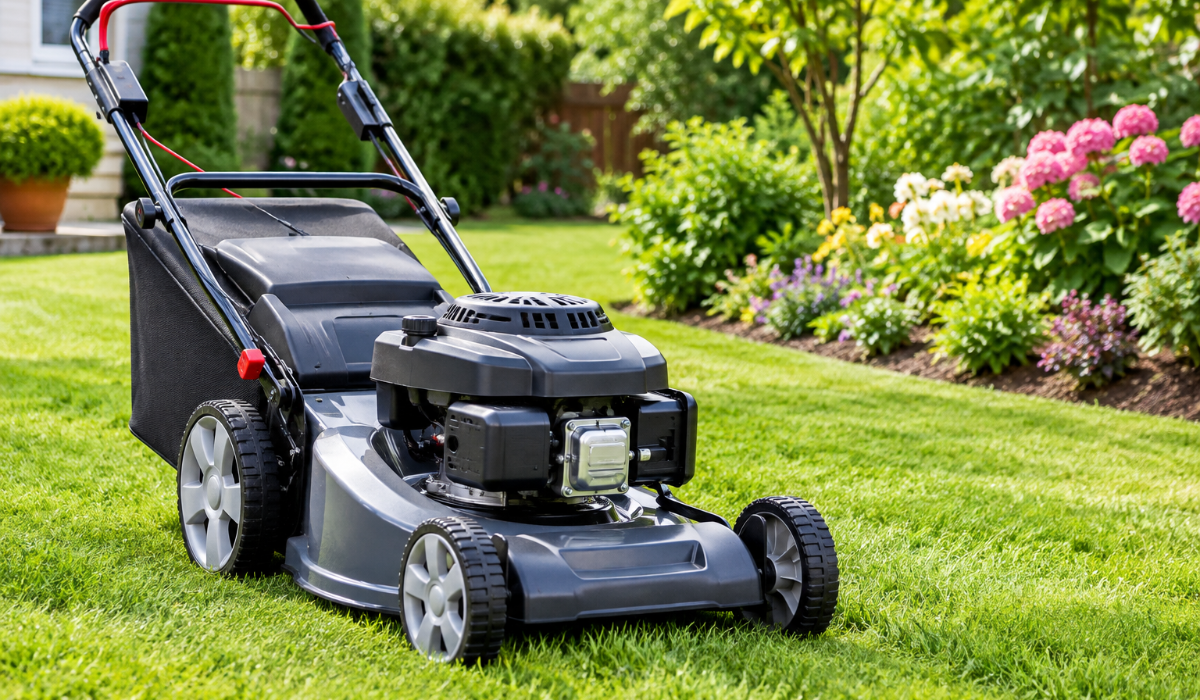
A well-maintained lawn can transform the appearance of an entire garden, but keeping grass at the right height requires the right equipment. A garden grass cutter makes routine lawn maintenance faster, easier, and more consistent. From small manual cutters to powerful petrol machines and modern cordless models, there are many options available for different gardens and cutting requirements.
The best choice depends on more than just price. You need to consider the size of your lawn, grass thickness, terrain, cutting frequency, available storage, power source, and the amount of maintenance you are willing to perform. A lightweight cordless cutter may be perfect for a small residential garden, while a powerful brush cutter or petrol mower may be more appropriate for large or overgrown areas.
This complete guide explains the different types of grass cutters, how they work, what to look for before buying, and which option suits different lawn conditions. It also covers grass-cutting techniques, maintenance, safety, common mistakes, and practical tips to help you get better results from your equipment.
Key Takeaways
- A garden grass cutter can refer to several types of lawn-cutting equipment.
- Lawn mowers are best for broad, maintained grass areas.
- Grass trimmers are useful for edges, corners, and areas around obstacles.
- Brush cutters are better for thick grass, weeds, and rough vegetation.
- Cordless cutters offer convenient operation without a power cable.
- Petrol machines are useful for demanding and larger cutting jobs.
- Cutting width, power, battery capacity, and cutting height are important buying factors.
- Regular cleaning and blade maintenance can improve performance.
- The best cutter depends on your garden size, terrain, grass type, and budget.
- Safe operation is essential regardless of the cutter you choose.
What Is a Garden Grass Cutter?
A garden grass cutter is a tool or machine designed to cut grass and control unwanted vegetation in gardens, lawns, yards, and other outdoor spaces. The term can describe several products, including lawn mowers, string trimmers, brush cutters, reel mowers, and powered grass-cutting machines.
These tools differ in their cutting mechanisms, power sources, sizes, and intended applications. A rotary lawn mower, for example, is designed to cover large areas of lawn efficiently, while a string trimmer is better suited to narrow spaces and lawn edges.
Understanding these differences is important when shopping for garden equipment. Instead of looking for one machine that claims to do everything, choose equipment based on the type of grass and area you regularly need to maintain.
What Is a Garden Grass Cutter Used For?
The primary purpose of a grass cutter is to keep vegetation at a manageable and attractive height. Regular cutting can also make outdoor spaces easier to use and maintain.
Depending on the equipment, a grass cutter can be used for:
- Cutting residential lawns
- Maintaining garden borders
- Trimming grass around trees
- Cleaning up fence lines
- Cutting grass along pathways
- Managing weeds and dense vegetation
- Maintaining large yards
- Cutting rough or neglected areas
- Finishing lawn edges after mowing
The specific tool you need depends on the job. A mower is efficient on open lawn, while a trimmer or brush cutter provides better control in difficult areas.
How Does a Grass Cutter Work?
Most powered grass cutters use a rotating cutting component. Depending on the design, this may be a metal blade, rotary blade, reel blade, or flexible nylon line.
The cutting system rotates rapidly and removes the upper portion of the grass plant. Many lawn mowers then collect the cuttings in a grass bag, discharge them to the side, or mulch them into smaller pieces.
The power source drives the cutting mechanism. Manual mowers rely on physical movement, electric models use an electric motor, cordless machines use rechargeable batteries, and petrol equipment uses an internal combustion engine.
Types of Garden Grass Cutters
There is no single best machine for every garden. Understanding the main types makes it easier to select the right option.
Manual Reel Grass Cutter
A manual reel mower uses cylindrical blades that rotate as the wheels move. It requires no electricity, fuel, or battery.
It can be an excellent choice for small, flat lawns that are maintained regularly. It is quiet and inexpensive to operate, although pushing it requires more physical effort.
Electric Garden Grass Cutter
Corded electric lawn mowers use mains electricity to operate an electric motor. They are generally easy to start and require less mechanical maintenance than petrol equipment.
Their main disadvantage is the power cable. You must work within the cable’s reach and take care to keep the cord away from the cutting path.
Cordless Garden Grass Cutter
A cordless grass cutter operates using a rechargeable battery. This removes the restrictions associated with a power cable while avoiding petrol and engine maintenance.
Battery-powered equipment is particularly convenient for residential gardens. However, runtime depends on battery capacity, grass conditions, cutting height, and machine power.
Petrol Grass Cutter
Petrol lawn mowers are traditionally popular for larger lawns and demanding work. They offer strong cutting performance and do not depend on an electrical outlet.
The disadvantages include higher noise levels, fuel requirements, exhaust emissions, and additional engine maintenance.
String Grass Trimmer
A string trimmer uses a rotating nylon line instead of a traditional mower blade. Its narrow head makes it excellent for areas that a mower cannot reach.
It is commonly used around walls, fences, trees, flower beds, garden borders, and pathways.
Brush Cutter
A brush cutter is a heavier-duty machine designed for dense vegetation. Depending on its cutting attachment, it can tackle tall grass, weeds, brush, and other rough growth.
It is often a better choice for neglected gardens and uneven ground than a standard lawn mower.
Robotic Lawn Mower
Robotic mowers automatically cut grass according to programmed schedules. They are designed primarily for established lawns and can reduce the amount of manual mowing required.
Their convenience comes with a higher initial purchase price and more complicated setup compared with basic mowers.
Garden Grass Cutter Types Compared
| Type | Best Use | Power Source | Main Benefit |
| Reel mower | Small lawns | Manual | Quiet and simple |
| Electric mower | Small/medium lawns | Electricity | Low maintenance |
| Cordless mower | Residential lawns | Battery | Convenient and cable-free |
| Petrol mower | Large lawns | Petrol | Strong performance |
| String trimmer | Lawn edges | Electric/Battery/Petrol | Excellent maneuverability |
| Brush cutter | Rough vegetation | Battery/Petrol | Handles dense growth |
| Robotic mower | Maintained lawns | Battery | Automated mowing |
Lawn Mower vs Grass Trimmer
A lawn mower and grass trimmer are not interchangeable tools. A mower is designed to cover relatively large, open areas quickly and maintain a consistent cutting height.
A grass trimmer is designed for precision work. It can reach places around trees, walls, fences, garden beds, steps, and other obstacles.
For many gardens, the best approach is to use a mower for the main lawn and a trimmer for the edges and difficult areas.
Grass Cutter vs Brush Cutter
The main difference is the type of vegetation each tool is designed to handle. A standard lawn cutter is primarily intended for maintained grass, while a brush cutter is designed for tougher and denser vegetation.
If you regularly maintain a neat lawn, a mower may be sufficient. If your property contains tall weeds, rough grass, thick vegetation, or unmanaged areas, a brush cutter can provide greater cutting capability.
Manual vs Electric vs Cordless vs Petrol
Each power source has advantages and disadvantages.
| Feature | Manual | Corded Electric | Cordless | Petrol |
| Noise | Very low | Low | Low | High |
| Mobility | Good | Limited | Excellent | Excellent |
| Maintenance | Very low | Low | Low | Higher |
| Runtime | User-dependent | Continuous | Battery-dependent | Fuel-dependent |
| Large lawn suitability | Low | Moderate | Moderate–High | High |
| Heavy grass | Limited | Moderate | Moderate–High | High |
| Exhaust emissions | None | No direct exhaust | No direct exhaust | Yes |
What Is the Best Garden Grass Cutter for a Small Lawn?
Small lawns usually do not require the largest or most powerful equipment. A compact manual mower, corded electric mower, or cordless lawn mower can provide sufficient performance.
For very small gardens with many corners and obstacles, a lightweight grass trimmer may also be useful. The main priority should be maneuverability and convenience rather than maximum engine power.
Storage should also influence your decision. Compact equipment is easier to keep in a shed, garage, or small storage area.
What Is the Best Grass Cutter for a Large Garden?
Large gardens require equipment capable of covering considerable ground without excessive operator fatigue. A wider cutting deck can reduce the number of passes needed, while a powerful motor or engine can handle demanding conditions more effectively.
For larger properties, petrol mowers remain useful because they provide long operating periods without waiting for batteries to recharge. However, high-capacity cordless equipment can also be a practical alternative when low noise and easier maintenance are priorities.
What Is the Best Cutter for Long and Overgrown Grass?
Very long or overgrown grass often requires more than a conventional lawn mower. If vegetation has become tall, dense, or mixed with weeds, a brush cutter may be more appropriate.
For moderately long lawn grass, raise the mower’s cutting height and remove the growth gradually. Avoid forcing the machine through extremely tall grass in a single pass because this can overload the cutting system.
How to Choose a Garden Grass Cutter
Choosing a garden grass cutter becomes easier when you evaluate your actual working conditions.
Measure Your Lawn
Estimate the area you need to maintain. Small gardens can usually be handled with compact equipment, while larger lawns benefit from greater cutting width and longer runtime.
Examine the Terrain
Flat ground is easier to mow than slopes or uneven terrain. If your garden has steep areas, obstacles, or rough ground, maneuverability becomes particularly important.
Identify Your Grass Type
Fine lawn grass requires different equipment from coarse, thick, or neglected vegetation. Consider how quickly your grass grows and how often you normally cut it.
Decide on a Power Source
Think about whether you prefer the simplicity of manual equipment, the convenience of electric power, the mobility of batteries, or the performance of petrol.
Consider Storage
A machine that is difficult to store may become inconvenient over time. Check whether the handle folds and whether the overall dimensions fit your available space.
Consider Maintenance
Petrol machines generally require more routine maintenance than electric equipment. If you want simple ownership, a cordless or electric model may be preferable.
Important Features to Look For
When comparing a garden grass cutter, look beyond the basic price.
Adjustable Cutting Height
Adjustable cutting height allows you to adapt the machine to different grass conditions. This is particularly useful when the lawn becomes longer during periods of rapid growth.
Cutting Width
A wider cutting deck covers more grass in one pass. However, a narrow mower may be easier to maneuver around small spaces and garden obstacles.
Grass Collection Bag
A collection bag can save time if you want to remove clippings after mowing. Larger bags require less frequent emptying.
Wheel Design
Larger or well-designed wheels can make a mower easier to move across uneven surfaces. Wheel quality can be especially important on gardens with slopes or rough sections.
Battery Capacity
If you choose cordless equipment, check battery capacity and expected runtime. A spare battery may be worthwhile for larger gardens.
Handle Ergonomics
A comfortable, adjustable handle can reduce strain during longer mowing sessions. Look for controls that are easy to reach while maintaining a secure grip.
What Cutting Width Should You Choose?
Cutting width should match both your lawn size and garden layout.
A compact mower with a narrow cutting deck is often easier to maneuver around trees, flower beds, and narrow passages. A wider mower can significantly reduce mowing time on large, open lawns.
Do not automatically choose the widest machine available. If you cannot easily move the machine through your garden gate or around obstacles, the larger cutting width may become a disadvantage.
How Much Power Do You Need?
Power requirements depend on grass density, cutting height, terrain, and lawn size. Short, regularly maintained grass generally requires less cutting power than tall, wet, or dense vegetation.
For ordinary residential lawn care, excessive power may add unnecessary weight, cost, and energy consumption. For rough areas and heavy vegetation, however, a more powerful machine can make the job considerably easier.
The best garden grass cutter is therefore not necessarily the most powerful model. It is the model that provides enough performance for your regular workload without becoming unnecessarily difficult to handle.
How to Use a Garden Grass Cutter
Correct operation improves both results and equipment life.
Before Cutting
Walk through the area and remove stones, branches, toys, wire, and other objects. Inspect the machine and make sure guards and cutting components are secure.
While Cutting
Start with the correct cutting height and move at a controlled pace. Avoid rushing because fast movement can produce uneven results.
After Cutting
Turn the equipment off completely before cleaning or inspecting it. Remove grass buildup and store the machine in a dry, secure location.
Best Grass-Cutting Techniques
Good mowing technique can make a noticeable difference in lawn appearance.
Avoid Removing Too Much Grass
Do not dramatically reduce grass height in one session. Gradual cutting is generally better than removing a large portion of the blade at once.
Change Your Mowing Direction
Changing direction periodically can help prevent repetitive patterns and improve the overall appearance of the lawn.
Overlap Each Pass
Slightly overlap mowing passes to prevent strips of uncut grass from being left behind.
Keep the Blade Sharp
A sharp blade generally produces a cleaner cut than a dull one. Inspect the blade regularly and maintain it according to the manufacturer’s instructions.
How Often Should You Cut Your Lawn?
The ideal mowing frequency depends on grass species, weather, rainfall, temperature, fertilizer use, and growing conditions. Grass may require more frequent cutting during periods of rapid growth and less frequent mowing during slow-growth periods.
Instead of following a rigid calendar, monitor the lawn’s height. Regular mowing helps prevent the grass from becoming excessively tall and reduces the need for aggressive cutting.
How to Cut Long Grass Safely
Long grass should be approached gradually. Raising the cutting height and making multiple passes can reduce stress on the equipment.
If the vegetation is extremely tall or contains weeds and brush, consider using a brush cutter instead. Never attempt to force a standard mower through vegetation that is clearly beyond its intended operating conditions.
Garden Grass Cutter Maintenance
Regular maintenance helps keep equipment reliable and efficient.
Clean the Cutting Deck
Grass clippings can accumulate underneath the mower deck and restrict airflow. Clean the machine safely after use according to the manufacturer’s instructions.
Maintain the Blade
Inspect the blade for damage and dullness. Sharpen or replace it when necessary.
Check Wheels and Fasteners
Loose components can affect handling and cutting performance. Periodically inspect wheels, handles, fasteners, and guards.
Maintain Batteries Properly
Use the recommended charger and follow the manufacturer’s storage instructions. Keep batteries away from excessive heat and moisture.
Service Petrol Equipment
Petrol machines may require engine oil checks, air-filter maintenance, spark-plug inspection, and fuel-system care. Follow the manufacturer’s service schedule rather than relying on guesswork.
Common Grass-Cutting Problems
| Problem | Possible Cause | Practical Solution |
| Uneven cutting | Dull blade or inconsistent mowing | Inspect blade and technique |
| Grass clumps | Wet grass or full collection bag | Wait for drier conditions |
| Machine struggles | Excessively long grass | Raise height or use suitable equipment |
| Poor battery runtime | Old/low-capacity battery | Check battery condition |
| Excessive vibration | Damaged or unbalanced blade | Stop and inspect equipment |
| Strips of uncut grass | Cutting too quickly or narrow overlap | Slow down and overlap passes |
Common Mistakes to Avoid
One of the most common mistakes is choosing equipment without considering the size and condition of the garden. A machine that works perfectly for a small lawn may be frustrating on a large property.
Another mistake is neglecting maintenance. Dull blades, clogged decks, damaged cutting lines, and poorly maintained engines can reduce performance.
Avoid mowing excessively wet grass whenever possible. Wet conditions can create clumps and make the cutting process more difficult.
Finally, never prioritize speed over safety. Clearing blockages while the cutting mechanism is still capable of moving is particularly dangerous.
Garden Grass Cutter Safety Tips
Safety should always be part of your lawn-care routine.
- Wear appropriate footwear.
- Use eye protection when necessary.
- Keep children and pets away from the working area.
- Remove objects from the lawn before cutting.
- Never place hands near moving cutting components.
- Switch the machine off before clearing blockages.
- Disconnect electrical power before maintenance.
- Follow battery removal instructions when servicing cordless equipment.
- Refuel petrol equipment only according to manufacturer safety instructions.
- Never operate a machine you cannot comfortably control.
Electric vs Petrol Operating Costs
The purchase price is only one part of the ownership cost. Petrol equipment requires fuel and regular engine maintenance, while electric and battery-powered machines generally have simpler mechanical systems.
Cordless equipment can have higher upfront costs because of the battery and charger. However, it may reduce the need for fuel and engine servicing.
| Cost Factor | Electric | Cordless | Petrol |
| Initial cost | Low–Moderate | Moderate | Moderate–High |
| Fuel | None | None | Required |
| Engine oil | None | None | Required |
| Battery replacement | None | Possible | None |
| Routine mechanical maintenance | Low | Low | Higher |
| Long-term convenience | High | High | Moderate |
Environmental Considerations
The environmental impact of a grass cutter depends on its power source, usage, manufacturing, and lifespan. Electric and battery-powered machines do not produce direct exhaust emissions during operation, although electricity production and battery manufacturing still have environmental impacts.
Petrol equipment produces exhaust emissions and consumes fuel but remains useful for demanding applications. For many small gardens, electric or cordless equipment can provide an effective combination of convenience and lower operating noise.
Choosing durable equipment and maintaining it properly can also reduce waste because a machine that lasts longer does not need to be replaced as frequently.
Can One Garden Grass Cutter Do Everything?
In some small gardens, one versatile machine may be enough. However, larger or more complex properties often benefit from using different tools for different tasks.
A mower is efficient for the main lawn, a string trimmer is useful for edges, and a brush cutter can handle rough vegetation. Using each tool for its intended purpose can improve efficiency and reduce unnecessary wear.
Garden Grass Cutter Buying Checklist
Before buying, consider the following:
- Lawn size
- Terrain and slopes
- Grass thickness
- Frequency of mowing
- Cutting width
- Adjustable cutting height
- Power source
- Battery runtime
- Collection bag capacity
- Machine weight
- Storage space
- Noise level
- Maintenance requirements
- Replacement parts
- Warranty and service
- Overall ownership cost
Final Buying Advice
If you maintain a small, simple lawn, prioritize lightweight equipment and easy storage. A compact electric or cordless model may provide all the performance you need.
For larger lawns, pay greater attention to cutting width, runtime, collection capacity, and operator comfort. If you regularly deal with thick grass or rough vegetation, prioritize cutting power and durability.
If your garden contains many obstacles, consider a mower combined with a string trimmer. For neglected areas, a brush cutter may be a more appropriate investment than a conventional lawn mower.
The smartest purchase is the one that matches your real workload rather than the machine with the longest feature list.
Conclusion
Choosing the right garden grass cutter can make lawn maintenance faster, easier, and more consistent. The ideal machine depends on the size of your garden, type of vegetation, terrain, mowing frequency, available storage, preferred power source, and budget. Small lawns can often be maintained effectively with compact manual, electric, or cordless equipment, while large or rough areas may require more powerful machines.
It is equally important to consider how you will use and maintain the equipment. Regular blade care, proper cutting height, controlled mowing speed, and routine cleaning can improve both lawn appearance and machine performance. For difficult areas, combining a lawn mower with a grass trimmer or brush cutter can provide much better results than relying on one tool for every task.
Before purchasing a garden grass cutter, focus on practical requirements rather than simply choosing the most powerful or expensive option. When the machine fits your garden and your maintenance routine, lawn care becomes simpler, more efficient, and much less demanding.
Frequently Asked Questions
What is the best garden grass cutter for a small lawn?
A compact manual, electric, or cordless mower is usually suitable for a small lawn.
What is the best garden grass cutter for long grass?
A brush cutter is often better for very long, thick, or overgrown grass and weeds.
Is a cordless garden grass cutter good for home use?
Yes. Cordless models are convenient, quiet, and easy to maneuver around residential gardens.
Is a petrol garden grass cutter better than electric?
Petrol models generally offer more power for demanding work, while electric models are quieter and easier to maintain.
Can a grass cutter be used around trees?
A grass trimmer is usually safer and more practical around trees, garden borders, and other obstacles.