
Uncategorized
Triple Wide Manufactured Homes: Prices, Floor Plans, Sizes, Costs & Buying Guide
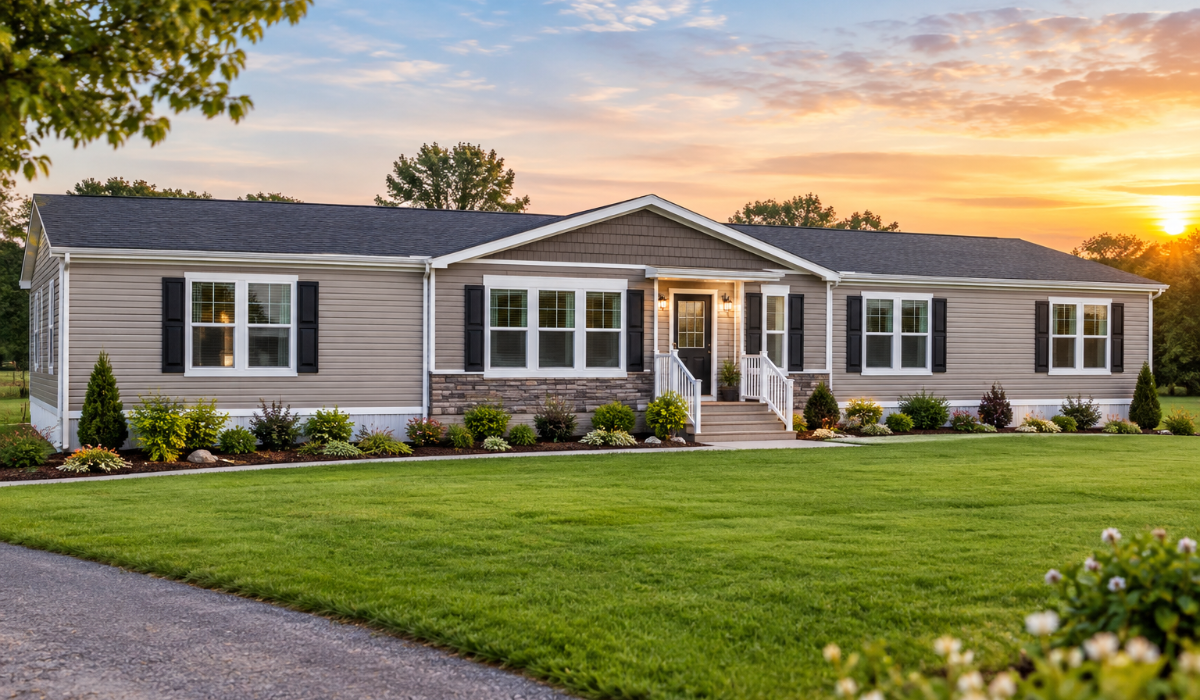
Finding a spacious home that fits your lifestyle and budget can be challenging, especially when traditional site-built construction becomes expensive or time-consuming. Triple Wide Manufactured Homes offer an alternative for buyers who want significantly more living space than a typical single-wide or double-wide manufactured home. Built in multiple factory-constructed sections and assembled at the homesite, these homes can provide large kitchens, multiple bedrooms, spacious living rooms, walk-in closets, home offices, and comfortable family areas.
The appeal of Triple Wide Manufactured Homes goes beyond square footage. Modern manufactured housing can include attractive exterior finishes, upgraded kitchens, luxury bathrooms, energy-efficient features, large windows, porches, fireplaces, and other options that make the finished property feel highly personalized. However, the advertised price of the home is only one part of the overall investment.
Land, site preparation, transportation, foundation work, installation, utility connections, permits, financing, insurance, and upgrades can all affect your final budget. Local zoning rules can also determine whether a triple-wide is allowed on a particular property.
This comprehensive guide explains what triple-wide manufactured homes are, how much they may cost, which floor plans are popular, how large they can be, what land requirements to consider, how financing works, and what buyers should know before purchasing one.
Key Takeaways
- Triple-wide manufactured homes are constructed in three sections and assembled at the final homesite.
- They offer substantially more space and layout flexibility than many single-wide and double-wide homes.
- Triple-wide floor plans can include three, four, five, or more bedrooms depending on the model.
- The total cost includes more than the manufacturer’s advertised base price.
- Land, transportation, foundation, site preparation, utilities, permits, and installation can significantly affect the budget.
- A larger homesite and adequate delivery access are essential.
- Buyers should verify zoning and local manufactured-home regulations before purchasing land.
- Financing options vary based on land ownership, property classification, lender requirements, and borrower qualifications.
- Custom features can transform a basic manufactured home into a highly personalized residence.
- The best purchase is based on total value, not simply the lowest upfront price.
What Are Triple Wide Manufactured Homes?
Triple Wide Manufactured Homes are factory-built residences consisting of three separate sections that are transported to a prepared homesite and assembled into one finished dwelling. Instead of constructing the entire home at the property, much of the building process takes place in a controlled factory environment. The sections are then transported, positioned, joined, secured, and completed at the destination.
The term “triple wide” refers primarily to the number of sections rather than a specific architectural style. This means a triple-wide can have a traditional, modern, farmhouse, ranch, contemporary, or luxury-inspired appearance. The interior can also vary significantly depending on the manufacturer, floor plan, features, and customization package selected.
In the United States, manufactured homes built after June 15, 1976, are generally constructed according to the federal Manufactured Home Construction and Safety Standards, commonly called the HUD Code. This framework covers important areas of manufactured-home construction and safety.
Triple-wide homes therefore occupy an interesting position in the housing market. They can provide a large amount of living space while retaining the factory-built construction process associated with manufactured housing.
Why Are Triple Wide Manufactured Homes Becoming Popular?
One major reason buyers consider triple-wide homes is the desire for more space without automatically choosing a conventional custom-built house. Large families often need additional bedrooms, bathrooms, storage, and living areas, and a triple-wide can accommodate these requirements in a single residence.
Another reason is layout flexibility. A larger footprint allows designers to create wider kitchens, larger family rooms, dedicated offices, separate dining areas, mudrooms, laundry rooms, and private bedroom wings.
The modern manufactured-home market also offers more customization than many buyers expect. Depending on the manufacturer, purchasers may select cabinets, countertops, flooring, appliances, windows, exterior siding, bathroom fixtures, lighting, and other finishes.
For buyers who prioritize space and customization, the combination can be attractive.
How Big Are Triple Wide Manufactured Homes?
There is no universal size for every triple-wide manufactured home. Dimensions vary by manufacturer, model, configuration, transportation limitations, and local requirements.
Many triple-wide designs provide significantly more square footage than traditional single-section homes, and some are designed with floor plans comparable in size to substantial site-built residences. Buyers should always check the exact manufacturer’s specifications rather than relying on generic assumptions about dimensions.
| Approximate Living Space | Possible Layout | Suitable For |
| 1,800–2,000 sq. ft. | 3 bedrooms, 2 baths | Medium families |
| 2,000–2,400 sq. ft. | 3–4 bedrooms | Growing families |
| 2,400–2,800 sq. ft. | 4 bedrooms, 2–3 baths | Larger families |
| 2,800–3,200 sq. ft. | 4–5 bedrooms | Large households |
| 3,200+ sq. ft. | 4–5+ bedrooms | Buyers seeking extensive space |
These figures are examples rather than strict classifications. The actual dimensions available depend on the specific manufacturer and model.
How Many Bedrooms Can a Triple-Wide Have?
One of the most common searches related to Triple Wide Manufactured Homes concerns bedroom capacity. The answer depends on the floor plan, but triple-wide designs can provide enough space for multiple bedrooms and bathrooms.
Three-bedroom configurations can work well for families that want large common areas. Four-bedroom layouts are popular among larger households, while five-bedroom designs may suit buyers who need additional children’s rooms, guest bedrooms, or dedicated workspaces.
Popular Bedroom Configurations
- 3-bedroom, 2-bath
- 3-bedroom, 2.5-bath
- 4-bedroom, 2-bath
- 4-bedroom, 3-bath
- 5-bedroom, 3-bath
- 5-bedroom with office or flex room
The number of bedrooms should not be the only consideration. Pay attention to bedroom dimensions, closet space, bathroom access, privacy, and the location of the primary suite.
Popular Triple Wide Manufactured Home Floor Plans
Floor plans are one of the biggest advantages of choosing a triple-wide. The additional section allows designers to create broader and more complex layouts.
Split-Bedroom Floor Plans
A split-bedroom design places the primary bedroom away from secondary bedrooms. This arrangement can provide additional privacy and is especially useful for families with children or frequent guests.
Open-Concept Floor Plans
Open-concept designs combine the kitchen, dining area, and living room into a connected space. This creates a strong central gathering area and can make the home feel even larger.
Ranch-Style Triple-Wide Floor Plans
Ranch layouts typically keep living spaces on one level and can be attractive to buyers who want simple accessibility. They can also work well for aging in place when designed with appropriate features.
Luxury Triple-Wide Floor Plans
Luxury-oriented designs can include large primary suites, oversized kitchens, spa-style bathrooms, fireplaces, large windows, home offices, entertainment rooms, and upgraded exterior features.
Multi-Generational Floor Plans
A multi-generational layout can provide privacy for parents, adult children, or extended family members. Some designs use separate bedroom wings, additional bathrooms, private entrances, or flexible living areas.
Best Triple-Wide Layouts for Large Families
The best floor plan depends on how the household actually uses the home. A family with young children may prioritize bedrooms close together, while a family with teenagers may prefer greater separation.
A practical large-family layout often includes:
- Four or five bedrooms
- At least three bathrooms
- Large kitchen
- Walk-in pantry
- Spacious family room
- Separate laundry room
- Multiple storage areas
- Primary bedroom suite
- Home office or flex room
- Covered outdoor living area
The kitchen should receive particular attention because it often becomes the central activity area. A large island, adequate countertop space, pantry storage, and convenient access to the dining area can make a noticeable difference in everyday functionality.
Triple Wide Manufactured Homes With Garages
Some buyers specifically search for Triple Wide Manufactured Homes with garages. A garage can provide valuable vehicle protection, storage, workshop space, or an entry area for groceries and household equipment.
However, a garage is not automatically included with every manufactured home. It may be an optional addition or a separately constructed structure, depending on local rules and the manufacturer’s design.
Before planning a garage, verify setback requirements, foundation requirements, building permits, driveway access, and whether the garage can be attached to the manufactured home under local regulations.
Triple Wide Manufactured Homes With Porches
A porch can dramatically improve the appearance and usability of a triple-wide. Covered porches create outdoor living space and can provide a transition between the home and the landscape.
Popular options include:
- Front covered porches
- Rear porches
- Wraparound porches
- Screened porches
- Decks
- Patio areas
- Outdoor kitchens
A porch should be designed as part of the overall property rather than added as an afterthought. Its size, roofline, steps, drainage, foundation, and attachment method should comply with applicable requirements.
How Much Do Triple Wide Manufactured Homes Cost?
The cost of Triple Wide Manufactured Homes can vary substantially depending on the home size, manufacturer, region, features, transportation distance, site conditions, foundation, installation, and customization.
A listed base price should never be treated as the final project price. Some advertised prices represent only the manufactured-home package and may exclude delivery, installation, foundation, land, utilities, permits, and site preparation.
Main Cost Categories
| Expense | Typical Consideration |
| Manufactured home | Base purchase price |
| Upgrades | Interior and exterior options |
| Land | Purchase or lease cost |
| Site preparation | Clearing, grading, excavation |
| Foundation | Approved support system |
| Delivery | Transportation of three sections |
| Installation | Setting, joining, leveling, anchoring |
| Utilities | Electric, water, sewer, gas |
| Septic/well | Required on some properties |
| Permits | Local approvals and inspections |
| Porch/deck | Optional exterior improvements |
| Garage | Optional additional structure |
| Landscaping | Final property improvements |
Because local conditions can change the cost substantially, buyers should obtain an itemized quote specific to their property.
What Is Included in the Price?
This is an important question when comparing Triple Wide Manufactured Homes. Two homes with apparently similar prices may have very different levels of included features.
A base price may include the structure and standard finishes, while premium packages may be priced separately. Transportation and installation may or may not be included.
Ask the dealer for written confirmation of:
- Base home price
- Standard appliances
- Standard flooring
- Cabinets
- Countertops
- Windows
- Exterior siding
- Delivery
- Installation
- Foundation
- Steps
- Skirting
- Utility connections
- Permits
- Inspection fees
- Warranty coverage
A detailed quote makes comparisons much easier.
Hidden Costs of Buying a Triple-Wide
Unexpected expenses can occur when buyers focus too heavily on the home’s advertised price. Site-related expenses are particularly difficult to predict without inspecting the property.
For example, a parcel with difficult terrain may require substantial grading. A rural property may need a private well and septic system. A remote property may have higher transportation expenses.
Other possible expenses include driveway improvements, tree removal, drainage work, retaining walls, utility extensions, engineering, surveying, and landscaping.
Building a contingency reserve into the budget is therefore a smart strategy.
Triple Wide vs. Double Wide Manufactured Homes
The difference between a double-wide and triple-wide is primarily the number of sections, but the practical differences can be substantial.
| Feature | Double Wide | Triple Wide |
| Sections | 2 | 3 |
| Typical space | Moderate to large | Large to very large |
| Floor-plan flexibility | Good | Excellent |
| Bedroom potential | Several | Several |
| Site requirements | Moderate | Higher |
| Transportation | Less complex | More complex |
| Customization | High | Very high |
| Ideal buyer | Medium families | Large families or space-focused buyers |
A double-wide may be the better choice if the buyer wants to reduce land and installation complexity. A triple-wide becomes more attractive when additional living space is a major priority.
Triple Wide vs. Modular Homes
Triple-wide manufactured homes and modular homes can look remarkably similar after installation, but they are not the same type of housing.
Manufactured homes are generally built under the federal HUD Code in the United States. Modular homes are typically constructed to state and local building codes.
The distinction can affect:
- Construction standards
- Certification
- Local approvals
- Foundation requirements
- Financing
- Insurance
- Property classification
- Resale considerations
Buyers should understand which category they are purchasing before comparing prices.
Benefits of Triple Wide Manufactured Homes
There are several reasons buyers choose Triple Wide Manufactured Homes over smaller manufactured homes or other housing options.
More Living Space
The additional section provides room for larger bedrooms, kitchens, bathrooms, living areas, offices, and storage.
Flexible Floor Plans
Triple-wide designs can support more complex layouts than many smaller manufactured homes.
Customization
Buyers can often select finishes and features that reflect their preferences.
Factory Construction
A controlled manufacturing environment allows many construction activities to occur indoors.
Large-Family Friendly
Multiple bedrooms and bathrooms can make these homes practical for larger households.
Modern Design Options
Many models offer contemporary kitchens, attractive bathrooms, upgraded windows, porches, fireplaces, and other residential features.
Potential Cost Efficiency
Depending on the local market and project requirements, factory construction can offer an attractive relationship between price and usable space.
Disadvantages of Triple Wide Manufactured Homes
Triple-wide housing is not right for everyone.
The largest disadvantage is the size of the overall project. More space requires more suitable land, and the site may need extensive preparation.
Other disadvantages can include:
- Higher transportation complexity
- Larger foundation requirements
- Greater site-preparation expenses
- More difficult access requirements
- Potential zoning restrictions
- Financing differences
- Higher utility and maintenance costs simply because the home is larger
- Potentially greater insurance costs
- More expensive exterior improvements
The important question is whether the additional space provides enough value to justify the added costs.
Land Requirements for a Triple-Wide
Before purchasing Triple Wide Manufactured Homes, evaluate the property carefully.
The lot must accommodate the home’s footprint while also meeting setbacks, easements, driveway requirements, utility locations, septic areas, and other restrictions.
Important Land Questions
- Is manufactured housing permitted?
- Is the lot large enough?
- Are there minimum setback requirements?
- Is there sufficient road access?
- Can delivery vehicles reach the property?
- Are there overhead utility obstacles?
- Is the terrain suitable?
- Is the soil appropriate?
- Is drainage adequate?
- Is a septic system required?
- Is municipal water available?
- Are there flood-related requirements?
- Are there HOA restrictions?
Never assume a vacant parcel is automatically suitable for a triple-wide.
Can You Put a Triple-Wide on Your Own Land?
In many situations, buyers can install a manufactured home on land they own, but the answer depends on local zoning, building regulations, property restrictions, and site suitability.
Owning the land does not automatically mean the home can legally be placed there. Local authorities may regulate manufactured housing through zoning districts, setbacks, minimum dimensions, foundation requirements, permits, and appearance standards.
The safest approach is to verify these requirements before ordering the home.
Site Preparation and Installation
Site preparation is a critical part of the project. The property may need clearing, grading, excavation, drainage improvements, foundation preparation, driveway work, and utility installation.
Delivery also requires careful planning. Three sections must reach the site, so transportation professionals need a suitable route.
After delivery, installers position the sections and complete the joining process. The home is then leveled, supported, anchored, and connected to utilities according to applicable requirements.
A professional installation can help protect the home from problems associated with improper support, drainage, or anchoring.
Foundation Options for Triple-Wide Homes
Foundation requirements depend on the home design, local regulations, soil conditions, climate, engineering requirements, and manufacturer’s instructions.
Potential systems can include engineered pier systems and other approved foundation configurations. Permanent foundations may also be appropriate in certain circumstances.
The important point is not to choose a foundation simply because it is the cheapest option. The foundation should be appropriate for the specific property and home.
Financing Triple Wide Manufactured Homes
Financing is one of the most important commercial considerations when buying Triple Wide Manufactured Homes.
Loan availability can depend on whether the buyer owns the land, how the home is classified, whether it is permanently installed, the lender’s policies, the borrower’s financial profile, and other property characteristics.
Potential financing routes can include:
- Conventional manufactured-home loans
- FHA-related financing
- VA financing for eligible borrowers
- USDA-related financing for qualifying properties
- Specialized manufactured-home loans
- Personal-property or chattel financing
- Land-home financing programs
Buyers should compare more than the monthly payment. Review the interest rate, loan term, down payment, fees, insurance, and total repayment amount.
Customization Options for Triple Wide Manufactured Homes
Customization is a major attraction of larger manufactured homes.
Depending on the manufacturer and model, buyers may choose:
Interior Features
- Hardwood-style flooring
- Luxury vinyl flooring
- Carpet
- Upgraded cabinets
- Quartz or other countertops
- Kitchen islands
- Walk-in pantries
- Stainless appliances
- Tile showers
- Double vanities
- Walk-in closets
- Fireplaces
- Upgraded lighting
Exterior Features
- Premium siding
- Architectural roof options
- Large windows
- Decorative doors
- Porches
- Decks
- Exterior lighting
- Garage options
- Landscaping packages
Not every manufacturer offers the same options, so compare specifications carefully.
Energy Efficiency and Maintenance
Energy efficiency should be considered before purchasing a large manufactured home. Because a triple-wide contains substantial living space, heating and cooling performance can influence long-term operating expenses.
Ask manufacturers about insulation, windows, heating and cooling systems, ventilation, appliances, and other energy-related specifications.
Maintenance also matters. Regular roof inspections, gutter maintenance, HVAC servicing, plumbing checks, exterior inspections, and drainage management can help protect the property.
A maintenance budget should be part of the ownership plan from the beginning.
How to Choose the Best Triple-Wide
The “best” triple-wide depends on your needs rather than a universal ranking.
Start by determining:
- Required square footage.
- Number of bedrooms.
- Number of bathrooms.
- Desired kitchen size.
- Storage requirements.
- Need for an office.
- Outdoor living preferences.
- Garage requirements.
- Available land.
- Total budget.
Then compare manufacturers based on construction specifications, warranty terms, floor plans, customer service, upgrade pricing, installation support, and dealer reputation.
Do not choose a model simply because it looks impressive in a showroom. Consider how it will function every day.
Step-by-Step Buying Process
Set Your Complete Budget
Calculate your maximum project budget, not just the amount you want to spend on the home itself.
Confirm Land Suitability
Check zoning, setbacks, access, utilities, soil, drainage, and foundation requirements.
Research Manufacturers
Compare several manufacturers rather than accepting the first quote.
Compare Floor Plans
Look at room dimensions, storage, bedroom placement, kitchen workflow, and future needs.
Select Custom Features
Prioritize upgrades that improve functionality, comfort, durability, or long-term value.
Obtain an Itemized Quote
Separate the home price from delivery, installation, foundation, utilities, permits, and upgrades.
Compare Financing
Obtain multiple financing proposals where possible.
Prepare the Site
Complete all required grading, foundation, utility, and access work before delivery.
Schedule Delivery
Coordinate transportation and installation carefully.
Inspect the Finished Home
Review the home for construction, installation, utility, and finish issues before final acceptance.
Questions to Ask a Manufactured Home Dealer
Before signing a contract for Triple Wide Manufactured Homes, ask:
- What is the complete purchase price?
- What does the base price include?
- Which features cost extra?
- Is delivery included?
- Is installation included?
- Is the foundation included?
- Who handles permits?
- Who connects utilities?
- What warranty is provided?
- What are the expected delivery timelines?
- Can the home be installed on my property?
- What site preparation is required?
- Are there dealer or administrative fees?
- What happens if delivery is delayed?
- Who handles warranty claims?
- What documentation will I receive after installation?
Written answers are preferable to verbal assurances.
Common Buying Mistakes
Choosing Based Only on Price
A low advertised price does not necessarily mean a low total cost.
Ignoring the Land
A beautiful floor plan is useless if the property cannot legally or physically accommodate it.
Underestimating Site Work
Clearing, grading, utilities, septic, foundation work, and driveway improvements can become major expenses.
Ordering Before Checking Zoning
Always verify local regulations before committing to a home.
Over-Customizing
It is easy to add thousands of dollars in upgrades without realizing how quickly the budget is increasing.
Selecting the Cheapest Installer
Installation quality matters. Choose experienced professionals and understand exactly what their contract covers.
Ignoring Future Needs
A home should work not only for today’s household but also for foreseeable changes.
Are Triple-Wide Homes a Good Investment?
Whether Triple Wide Manufactured Homes are a good investment depends on the entire property rather than the home alone.
Land ownership is particularly important. A manufactured home located on owned land can have different financial characteristics from one located on leased land.
Local demand also matters. In an area where buyers actively seek large manufactured homes, resale can be stronger than in a market where manufactured housing has limited demand.
The condition of the home, quality of installation, property location, financing, maintenance, and land value can all influence the long-term financial outcome.
Buyers should research comparable properties before making an investment decision.
How to Increase the Long-Term Value of a Triple-Wide
A well-maintained home is generally easier to market than one that has been neglected.
Consider investing in improvements that enhance function and appearance, such as:
- Quality flooring
- Durable countertops
- Updated lighting
- Attractive landscaping
- Well-maintained siding
- Modern appliances
- Functional outdoor space
- Quality porch or deck
- Proper drainage
- Regular HVAC maintenance
- Professional installation and documentation
However, avoid spending heavily on luxury features that the local market may not value.
Triple-Wide Manufactured Homes for Sale: What Buyers Should Check
When searching online for Triple Wide Manufactured Homes for sale, it is tempting to compare listings based solely on photographs and asking prices. A better approach is to examine the specifications and determine whether the advertised price represents the complete home package.
Look for information about:
- Manufacturer
- Model year
- Square footage
- Number of bedrooms
- Number of bathrooms
- Floor plan
- Included appliances
- Upgrade package
- Foundation
- Delivery
- Installation
- Location
- Land ownership
- Warranty
- Financing availability
If a listing does not provide enough information, contact the seller for a complete specification sheet.
New vs. Used Triple Wide Manufactured Homes
Buyers may also encounter used or previously owned triple-wide homes.
A used home can offer a lower acquisition price, but condition becomes extremely important. Buyers should inspect the roof, exterior, flooring, plumbing, electrical systems, HVAC equipment, windows, doors, interior finishes, and structural components.
The age and documentation of the home should also be verified. Buyers should obtain available records concerning ownership, serial numbers, installation, maintenance, repairs, and warranties.
A lower purchase price does not automatically mean a better value if substantial repairs are needed.
Triple-Wide Buying Checklist
| Category | What to Check |
| Budget | Complete project cost |
| Home | Size, model, specifications |
| Floor plan | Bedrooms, bathrooms, storage |
| Land | Zoning and lot suitability |
| Access | Delivery route |
| Foundation | Required support system |
| Site | Grading, drainage, soil |
| Utilities | Water, sewer, electric, gas |
| Installation | Installer qualifications |
| Financing | Interest rate and loan terms |
| Upgrades | Cost and usefulness |
| Contract | Included and excluded items |
| Warranty | Coverage and duration |
| Inspection | Required approvals |
| Resale | Local market demand |
Expert Tips for Buying Triple Wide Manufactured Homes
Compare Total Installed Prices
Never compare homes using base prices alone. Ask every seller to provide an itemized estimate covering the same categories.
Visit Model Homes
Photos cannot always communicate room proportions, ceiling heights, cabinet quality, or traffic flow.
Take Measurements
Bring measurements of your existing furniture when evaluating floor plans. This prevents surprises after installation.
Think About Resale
Even if you plan to live in the home for many years, consider what future buyers in your market are likely to want.
Prioritize Structural and Functional Features
A beautiful countertop is nice, but a functional kitchen layout, quality windows, proper drainage, and good installation can have a greater long-term impact.
Keep All Documentation
Store your purchase agreement, floor plan, warranty information, installation records, permits, inspection documents, and receipts.
Who Should Consider a Triple-Wide Manufactured Home?
Triple Wide Manufactured Homes can make sense for several types of buyers.
They may appeal to:
- Large families
- Buyers seeking substantial square footage
- Multi-generational households
- Rural property owners
- Buyers who want factory-built construction
- People who need several bedrooms
- Remote workers requiring dedicated office space
- Buyers wanting extensive customization
- Homeowners looking for an alternative to conventional construction
They may be less suitable for someone with a very small lot, strict zoning restrictions, limited site access, or a budget that cannot accommodate the additional installation and site costs.
What Makes a Triple-Wide Worth the Money?
The value of a triple-wide comes from how effectively its space supports your lifestyle. A 2,500-square-foot home with a poorly designed layout may be less useful than a smaller residence with excellent room flow.
Look for:
- Efficient room placement
- Adequate storage
- Quality construction
- Durable materials
- Good natural lighting
- Practical kitchen design
- Comfortable bedrooms
- Sufficient bathrooms
- Energy-conscious features
- A suitable homesite
The right combination can make a large manufactured home feel comfortable rather than simply oversized.
Conclusion
Triple Wide Manufactured Homes provide an attractive option for buyers who want generous living space, flexible floor plans, modern features, and extensive customization. With three factory-built sections joined at the homesite, these residences can accommodate large families, multi-generational households, home offices, entertainment areas, spacious kitchens, multiple bathrooms, and substantial storage.
However, buying a triple-wide requires more planning than simply selecting a floor plan from a catalog. The true cost can include land, site preparation, foundation work, transportation, installation, utilities, permits, insurance, and upgrades. Zoning and property restrictions must also be confirmed before ordering the home.
The smartest approach is to evaluate the complete project from the beginning. Compare multiple manufacturers, inspect floor plans carefully, obtain itemized quotes, investigate financing, verify your land, and choose qualified installation professionals. Pay particular attention to features that affect long-term functionality and maintenance rather than spending the entire budget on cosmetic upgrades.
Ultimately, the best Triple Wide Manufactured Homes are not necessarily the largest or most luxurious models. They are the homes that provide the right combination of space, quality, functionality, location, installation, affordability, and long-term value for the people who will live in them.
Frequently Asked Questions
What are Triple Wide Manufactured Homes?
Triple Wide Manufactured Homes are factory-built homes made from three sections and assembled at the homesite.
How much do Triple Wide Manufactured Homes cost?
Prices vary by size, location, manufacturer, features, delivery, and installation requirements.
How big are triple-wide manufactured homes?
Triple-wide homes can offer several thousand square feet, depending on the model and floor plan.
How many bedrooms can a triple-wide have?
Many triple-wide floor plans offer three, four, or five bedrooms, depending on the design.
Can I put a triple-wide on my own land?
Yes, if local zoning, site requirements, and other regulations allow manufactured homes on the property.