Decor
living room design ideas: 35 Stylish Ways to Transform Your Space
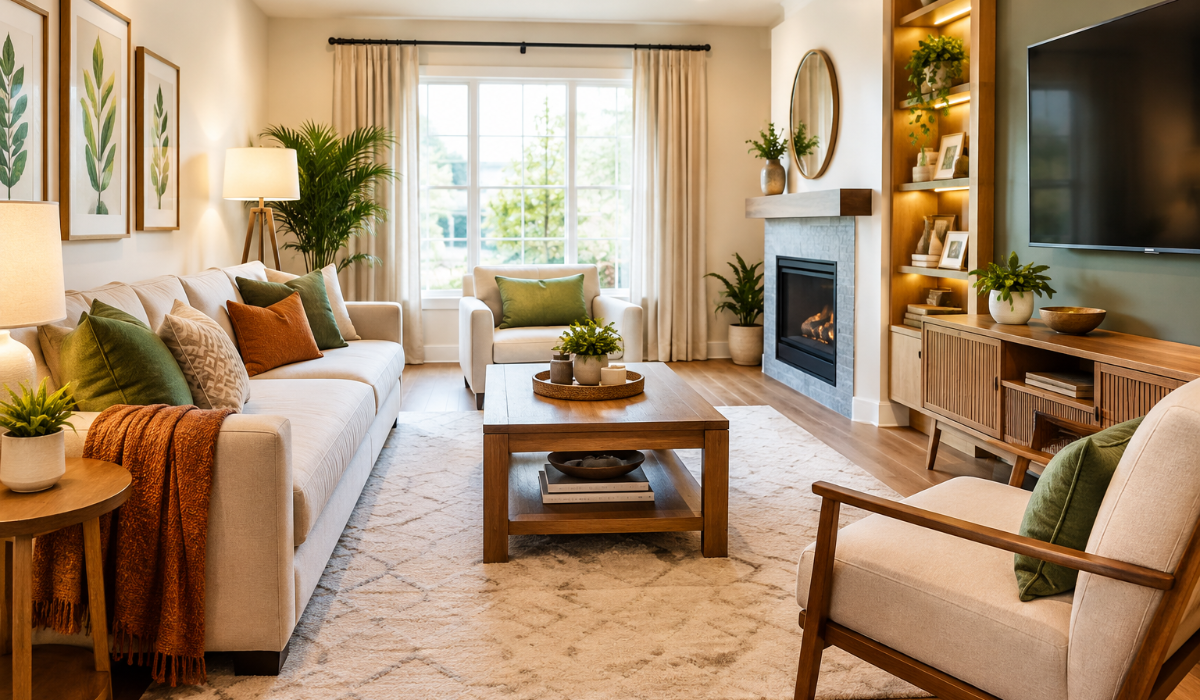
Finding the right living room design ideas can completely change the way your home looks and feels. The living room is usually one of the most frequently used areas in a house, whether you spend evenings watching television, welcome guests, read a book, work from home, or relax with family. Because of this, good design should combine attractive styling with practical comfort and everyday functionality.
A successful living room does not require a huge budget or a professionally designed interior. With the right furniture arrangement, color palette, lighting, storage solutions, and decorative details, almost any room can become more inviting. The key is to understand the space you have before buying furniture or choosing a decorating style.
From modern and minimalist interiors to cozy, traditional, luxury, and small-space solutions, there are countless ways to personalize your living area. In this guide, we explore practical living room design ideas for different room sizes, lifestyles, budgets, and decorating preferences. You will also learn how to choose furniture, arrange seating, select colors, improve lighting, avoid common mistakes, and create a polished room that feels genuinely yours.
Key Takeaways
- Begin with the function and measurements of your living room.
- Choose furniture according to the room’s scale.
- Create a clear focal point.
- Use rugs to visually anchor seating areas.
- Combine ambient, task, and accent lighting.
- Layer different textures for depth and warmth.
- Use neutral colors as a flexible foundation.
- Add accent colors through easily replaceable accessories.
- Consider multifunctional furniture for small rooms.
- Mix furniture styles instead of making everything identical.
- Use artwork and personal objects to give the room character.
- Avoid overcrowding and unnecessary decoration.
- Design around your lifestyle rather than following every trend.
What Makes a Living Room Look Beautiful?
A beautiful living room is usually the result of balance rather than simply expensive furniture. The most successful interiors combine appropriate proportions, comfortable seating, coordinated colors, layered lighting, interesting textures, and carefully selected accessories.
The room should also reflect the people who live there. A family-friendly living room may need durable fabrics and hidden storage, while a formal entertaining space may prioritize elegant furniture and artwork.
The Five Essential Elements
A well-designed living room generally needs:
- Comfortable furniture
- A functional layout
- Balanced lighting
- A cohesive color scheme
- Personal decorative details
When these elements work together, the room feels intentional rather than randomly decorated.
How to Plan Your Living Room Design
Before searching for furniture or paint colors, evaluate the room itself. Measure the walls, windows, doors, ceiling height, electrical outlets, and permanent architectural features.
Then consider how you use the space. A room designed for movie nights will require a different arrangement from one designed primarily for conversation or entertaining.
Ask These Questions First
- How many people regularly use the room?
- Is there a television?
- Do you entertain frequently?
- Do children use the room?
- Are pets part of the household?
- Do you need additional storage?
- Does the room have one purpose or several?
- How much natural light enters the room?
- What furniture do you already own?
- What is your decorating budget?
Answering these questions will make the rest of the design process much easier.
35 Living Room Design Ideas
Start With a Strong Focal Point
Every living room benefits from a visual anchor. This could be a fireplace, television, large window, statement artwork, architectural wall, or striking piece of furniture.
Arrange the main seating so it naturally relates to this feature. Avoid creating several competing focal points because the room may feel visually confusing.
Choose a Comfortable Sofa
The sofa is usually the largest furniture investment in a living room. Consider its width, depth, height, fabric, color, construction, and comfort before purchasing.
For a family room, performance fabrics and durable upholstery may be more practical. For a formal room, a more delicate fabric may be appropriate.
Create a Conversation Area
Arrange seating so people can comfortably communicate. A sofa facing two chairs is a classic arrangement because it creates balance while maintaining flexibility.
If the room is large, two sofas facing one another can create an elegant conversation area.
Use a Large Area Rug
An area rug can visually connect the sofa, chairs, and coffee table. It also introduces softness and texture.
A common mistake is choosing a rug that is too small. Whenever possible, allow the rug to extend beneath at least the front legs of the primary seating.
Layer Different Textures
Texture prevents a neutral living room from appearing flat. Combine materials such as wood, linen, wool, leather, cotton, ceramic, glass, metal, and woven fibers.
For example, a cream sofa can look much richer when paired with a wool rug, wooden coffee table, linen curtains, woven basket, and textured cushions.
Add Indoor Plants
Plants introduce natural color and organic shapes. A tall plant can also fill an empty corner without requiring another large piece of furniture.
Choose plants according to the amount of natural light available rather than selecting them solely for appearance.
Use Neutral Colors as a Base
Cream, beige, taupe, warm white, gray, and soft brown can provide a versatile foundation. Accent colors can then be introduced through artwork, cushions, rugs, and smaller furniture.
Neutral does not have to mean boring. Variation in tone and texture can create considerable visual interest.
Add a Bold Accent Color
If the room feels too neutral, introduce one strong color. Deep green, navy blue, terracotta, mustard, burgundy, or dusty blue can create personality.
Repeat the accent color in two or three places so it feels intentional.
Decorate Around Natural Light
If your living room has large windows, make them part of the design. Avoid placing bulky furniture directly in front of attractive views.
Light curtains can preserve brightness during the day while providing privacy when needed.
Install Built-In Shelving
Built-in shelving can provide storage while creating a decorative feature. Use closed cabinets for clutter and open shelving for books, artwork, plants, and collectibles.
This solution works particularly well when wall space is available but floor space is limited.
Choose a Statement Coffee Table
A distinctive coffee table can become the center of the seating area. Consider round wood, natural stone, glass, metal, or sculptural designs.
Make sure there is enough space around it for comfortable movement.
Create a Reading Corner
An unused corner can become a relaxing reading nook with three simple pieces: a comfortable chair, side table, and lamp.
Add a small rug or footstool to make the area feel complete.
Use Oversized Artwork
One large piece of artwork can create a stronger visual impact than many small decorations.
Choose art that complements the room without requiring every other element to match it exactly.
Create a Gallery Wall
A gallery wall can display family photographs, artwork, illustrations, mirrors, and meaningful objects.
Keep consistent spacing or a shared color palette if you want a more organized appearance.
Add Mirrors
Mirrors can reflect light and make a room feel more spacious. Position one opposite or near a window when possible.
Always consider what the mirror will reflect before installing it.
Hang Curtains Higher
Curtains mounted closer to the ceiling can emphasize vertical height. Floor-length curtains can also make windows appear larger.
Choose lightweight fabrics for an airy appearance or heavier fabrics for a more dramatic effect.
Mix Furniture Styles
Your sofa, chairs, coffee table, and storage furniture do not need to come from the same collection.
Mixing modern, vintage, traditional, or handmade pieces can create a more personal and collected interior.
Introduce Curved Shapes
Round coffee tables, curved chairs, arched mirrors, and rounded sofas can soften rooms dominated by straight lines.
One or two curved pieces are often enough to create contrast.
Improve the TV Wall
Instead of allowing the television to dominate the room, integrate it into the overall design.
Consider a media console, built-in cabinetry, wood paneling, shelving, or carefully positioned artwork.
Use Furniture With Visible Legs
Furniture with exposed legs can make more floor visible and create a lighter visual appearance.
This can be particularly helpful when looking for small living room design ideas.
Divide an Open-Plan Room Into Zones
An open-plan home can benefit from clearly defined areas. Use rugs, furniture placement, lighting, and consoles to separate the living zone from dining or working areas.
Keep some materials and colors consistent so the entire space still feels connected.
Add Luxury Through Materials
Luxury does not always mean expensive furniture. High-quality-looking materials, sophisticated lighting, elegant hardware, natural stone, wood, and well-chosen textiles can create an upscale atmosphere.
The key is restraint and consistency.
Try a Monochromatic Color Scheme
A monochromatic room uses different tones of one primary color. For example, a beige room might include cream, tan, camel, and brown.
Changing texture and tone prevents the design from appearing flat.
Use Color Drenching
Color drenching involves extending a similar shade across walls, trim, doors, and sometimes ceilings.
This approach can create a dramatic and immersive appearance, particularly in rooms with interesting architectural details.
Add Personal Objects
Family photographs, travel souvenirs, books, handmade ceramics, and meaningful artwork can make the room feel authentic.
A home should not look like a furniture showroom.
Use Floating Furniture
In larger rooms, avoid pushing every piece against the wall. Floating furniture can create a more intimate seating arrangement.
A console table behind the sofa can help define the area.
Create a Multi-Purpose Living Room
Modern homes often require one room to serve multiple purposes. A living room may need to function as an entertainment space, home office, reading area, and guest area.
Use furniture that can perform more than one role.
Add a Storage Ottoman
A storage ottoman can serve as seating, a footrest, a coffee table, and hidden storage.
It is particularly useful for families or small homes.
Use Layered Window Treatments
Combine sheer curtains with heavier drapes or blinds when you need flexibility. This gives you better control over privacy, sunlight, and atmosphere.
Create an Accent Wall
An accent wall can introduce color, texture, wallpaper, paneling, stone, or wood without overwhelming the entire room.
Choose a wall that already has visual importance.
Use a Large Mirror as a Statement Piece
Instead of several small mirrors, consider one oversized mirror with an attractive frame.
It can function as both artwork and a light-reflecting feature.
Add a Bench Near a Window
A small bench can provide additional seating without visually overwhelming the room.
It can also work as a reading or relaxation spot.
Use Layered Rugs
In larger rooms, layering a smaller decorative rug over a larger neutral rug can create additional depth.
Make sure the patterns and colors complement each other.
Keep Frequently Used Items Accessible
Design should make daily life easier. Keep remotes, books, chargers, blankets, and other frequently used items within convenient reach.
Use baskets, drawers, cabinets, and side tables to maintain organization.
Design for Your Actual Lifestyle
The best living room design ideas are those that work in real life. If you have children, pets, or a busy household, choose materials and furniture that can withstand everyday use.
A room that looks beautiful but is uncomfortable or impractical will quickly become frustrating.
Living Room Layout Ideas
The right layout can make a greater difference than expensive decoration. Begin by identifying the main focal point and then arrange furniture around the room’s primary function.
| Layout | Best For | Advantages |
| Sofa + Two Chairs | Medium rooms | Flexible and balanced |
| Sectional + Table | Families | Maximum seating |
| Two Sofas | Large rooms | Excellent conversation |
| Sofa + Accent Chairs | Versatile spaces | Easy to rearrange |
| Floating Seating | Open rooms | Defines zones |
| Sofa Against Wall | Small rooms | Saves floor space |
How Far Should Furniture Be From the Coffee Table?
There should be enough space to comfortably walk between the seating and coffee table. Avoid placing the table so close that people constantly bump their knees.
At the same time, a coffee table that is too far away becomes difficult to use. Aim for a practical relationship between seating, table height, and walking space.
Small Living Room Design Ideas
Small living rooms require careful editing. Every furniture piece should have a purpose, and unnecessary objects should be removed.
Choose Multifunctional Furniture
Useful choices include:
- Storage ottomans
- Nesting tables
- Compact sectionals
- Storage benches
- Wall-mounted shelving
- Slim media consoles
- Convertible furniture
Use Vertical Space
Tall bookcases and wall-mounted storage can provide capacity without taking up much floor area.
Artwork and curtains can also draw attention upward and emphasize ceiling height.
Avoid Too Many Small Pieces
Filling a small room with several tiny furniture pieces can actually make it feel more crowded.
A few well-proportioned pieces often create a cleaner result.
Modern Living Room Ideas
Modern living rooms combine simplicity with comfort. Clean furniture lines can be balanced with soft fabrics, warm wood, artwork, and natural materials.
Key Modern Design Features
- Clean silhouettes
- Simple color palettes
- Functional storage
- Natural materials
- Minimal clutter
- Contemporary artwork
- Sculptural lighting
- Mixed textures
Modern does not have to mean cold or completely minimalist. Warm contemporary design often combines modern architecture with comfortable materials.
Cozy Living Room Ideas
A cozy living room should encourage relaxation. Soft lighting, comfortable seating, rugs, cushions, curtains, and natural materials can all contribute to a welcoming atmosphere.
Create Warmth With Layers
Start with the sofa and rug, then add curtains, cushions, throws, lamps, artwork, and accessories.
Layering prevents the room from looking unfinished while allowing each element to contribute to the overall mood.
Luxury Living Room Design Ideas
Luxury living rooms typically emphasize proportion, quality, craftsmanship, and visual simplicity.
You can create a luxurious effect by combining:
- Natural stone
- Rich wood
- Elegant lighting
- Large artwork
- Quality upholstery
- Metallic accents
- Custom storage
- Sophisticated neutral colors
Avoid adding too many decorative pieces. Luxury often comes from carefully editing the room.
Minimalist Living Room Ideas
Minimalism focuses on simplicity, function, and intentional selection. It does not mean removing every comfortable or decorative element.
Choose fewer pieces but make sure each one contributes something useful or visually meaningful.
Minimalist Color Palette
Common choices include:
- White
- Warm beige
- Soft gray
- Natural wood
- Black accents
- Muted green
Texture becomes particularly important because fewer objects mean every material is more noticeable.
Living Room Color Ideas
Color affects the mood and perceived size of the room.
Warm Colors
Cream, beige, tan, terracotta, and warm brown can create an inviting atmosphere.
Cool Colors
Blue, soft green, and cool gray can create a calmer appearance.
Dark Colors
Charcoal, deep green, navy, and chocolate brown can create drama and intimacy.
| Color Scheme | Mood | Suitable Style |
| Cream + Beige | Warm | Contemporary |
| White + Blue | Fresh | Coastal |
| Green + Brown | Natural | Organic |
| Gray + Black | Modern | Minimalist |
| Terracotta + Cream | Cozy | Bohemian |
| Navy + Brass | Elegant | Luxury |
Living Room Furniture Ideas
Furniture should be comfortable, appropriately scaled, and suitable for the room’s function.
Sofa Selection
Consider:
- Room dimensions
- Number of users
- Seat depth
- Upholstery durability
- Color
- Maintenance
- Frame quality
- Comfort
Sectional or Sofa?
| Feature | Sectional | Sofa |
| Seating | More | Moderate |
| Flexibility | Lower | Higher |
| Family Use | Excellent | Good |
| Small Rooms | Can work if scaled correctly | Usually easier |
| Rearrangement | Difficult | Easy |
Do not assume that every small room needs miniature furniture. The correct scale is more important than simply choosing the smallest available piece.
Living Room Lighting Ideas
Lighting is one of the easiest ways to improve a living room.
Use three basic layers:
Ambient Lighting
Provides general illumination through ceiling fixtures, chandeliers, or recessed lights.
Task Lighting
Supports specific activities such as reading. Floor and table lamps are common choices.
Accent Lighting
Highlights artwork, shelving, architectural details, or plants.
Combining these layers gives you greater control over the room’s atmosphere.
Living Room Wall Decor Ideas
Empty walls can make an otherwise attractive room feel unfinished.
Popular options include:
- Large paintings
- Gallery walls
- Mirrors
- Floating shelves
- Wall paneling
- Decorative baskets
- Sculptural objects
- Family photography
- Textile art
Do not feel obligated to decorate every wall. Leaving some negative space can make the room feel more sophisticated.
Living Room Storage Ideas
Good storage keeps clutter under control while contributing to the room’s appearance.
Smart Storage Options
- Built-in cabinets
- Floating shelves
- Storage ottomans
- Closed media consoles
- Baskets
- Sideboards
- Window benches
- Modular shelving
Use closed storage for visually distracting items and open shelves for objects worth displaying.
Living Room Ideas on a Budget
You do not need to replace everything to transform the room.
Low-Cost Changes
- Rearrange furniture.
- Paint the walls.
- Change cushion covers.
- Add plants.
- Update curtains.
- Introduce a new rug.
- Rearrange artwork.
- Replace outdated lamps.
- Declutter surfaces.
- Add a statement accessory.
Small changes can have a surprisingly large visual impact when the existing furniture is already functional.
How to Make a Small Living Room Look Bigger
There are several ways to improve the perceived spaciousness of a compact room.
Use Light Strategically
Maximize natural light and combine it with layered artificial lighting.
Keep Sightlines Open
Avoid tall furniture that blocks views across the room.
Use Mirrors
A strategically placed mirror can reflect light and visually extend the space.
Choose Leggy Furniture
Visible floor beneath furniture can make the room feel less heavy.
Reduce Clutter
Too many decorative objects make limited space feel even smaller.
How to Make Your Living Room Look More Expensive
A high-end appearance is often about consistency rather than price.
Focus on:
- Good furniture proportions
- Large-scale artwork
- Quality-looking curtains
- Layered lighting
- Natural materials
- Coordinated hardware
- Sophisticated colors
- Fewer but better accessories
- Clean surfaces
A simple room with excellent proportions can look more sophisticated than an expensive room filled with unrelated objects.
Living Room Design Mistakes to Avoid
Choosing Furniture Without Measuring
Always measure the room before purchasing large furniture.
Using a Tiny Rug
A rug that is too small can make furniture appear disconnected.
Depending on One Light Source
A single ceiling light often creates harsh or uneven illumination.
Matching Everything
Matching furniture sets can make a room feel generic. Mixing complementary pieces often creates more character.
Overdecorating
Empty space is useful. Every shelf and tabletop does not need to be filled.
Ignoring Traffic Flow
People should be able to move naturally through the room.
Prioritizing Appearance Over Comfort
Furniture should look good and feel good.
Living Room Design Trends Worth Trying
Trends can provide inspiration, but they should not dictate your entire design.
Some current directions worth considering include:
- Curved furniture
- Warm neutral palettes
- Natural materials
- Statement lighting
- Gallery walls
- Rich earthy colors
- Vintage-modern combinations
- Layered textures
- Multifunctional spaces
- Personalized accessories
The best approach is to use trends selectively. Choose elements that complement your existing home and are likely to remain useful for years.
How to Choose the Right Living Room Style
If you are unsure which style to choose, examine the furniture, colors, and interiors you naturally gravitate toward.
Modern
Best for people who prefer clean lines and uncluttered spaces.
Scandinavian
Ideal for light colors, natural materials, simplicity, and comfort.
Traditional
Suitable for classic furniture, symmetry, layered textiles, and timeless details.
Japandi
Combines Japanese simplicity with Scandinavian warmth.
Bohemian
Works well for people who enjoy patterns, plants, handmade objects, and layered textiles.
Eclectic
Ideal for mixing different eras, colors, and materials.
Your room can also combine multiple styles. Interior design does not have to follow a strict category.
A Simple Living Room Design Process
| Step | What to Do | Result |
| 1 | Measure the room | Know your limitations |
| 2 | Define its purpose | Establish priorities |
| 3 | Select a style | Create direction |
| 4 | Choose colors | Build cohesion |
| 5 | Plan furniture | Improve functionality |
| 6 | Add lighting | Create atmosphere |
| 7 | Add textiles | Increase comfort |
| 8 | Install artwork | Add personality |
| 9 | Organize storage | Reduce clutter |
| 10 | Edit accessories | Finish the design |
This process keeps you from making random purchases and helps ensure that every decision supports the overall room.
Expert Tips for Better Living Room Design
Measure Before You Buy
Furniture dimensions listed online can be misleading when you do not compare them with your room.
Create a Mood Board
Collect furniture, paint colors, rugs, lighting, and artwork that appeal to you. Look for recurring colors and materials.
Invest in the Basics
Spend more on pieces you use every day, particularly the sofa, mattress-like seating cushions, rug, and quality lighting.
Save on Accessories
Decorative accessories are easier to replace when your preferences change.
Leave Room to Breathe
Do not fill every corner. Negative space gives important pieces more visual impact.
Think Long-Term
A timeless foundation allows you to update the room through relatively inexpensive accessories rather than completely redesigning it every few years.
Living Room Design Checklist
Before completing your room, check the following:
- Furniture is correctly scaled.
- Seating supports conversation.
- Walking paths are clear.
- The room has a focal point.
- The rug is appropriately sized.
- Lighting comes from multiple sources.
- Colors work together.
- Different textures are included.
- Storage is sufficient.
- Walls are not excessively cluttered.
- Furniture is comfortable.
- Accessories have a purpose.
- The room reflects your personality.
- The overall design supports your lifestyle.
Final Thoughts on Living Room Design Ideas
The most successful living room design ideas begin with real-life needs rather than trends. Before selecting paint, furniture, or accessories, determine how the room will be used and how much space is actually available. From there, focus on proportion, layout, comfort, lighting, color, texture, storage, and personality.
You can create an impressive living room without replacing everything at once. A better furniture arrangement, carefully chosen rug, improved lighting, fresh wall color, or a few meaningful accessories may completely change the atmosphere.
For small rooms, prioritize visual openness and multifunctional furniture. For large rooms, create defined zones that make the space feel purposeful. For modern interiors, combine clean forms with warm materials, while cozy rooms benefit from layered textiles and soft lighting.
Ultimately, the best living room design ideas are the ones that make your home easier to enjoy. Design for the people who use the room every day, and the result will feel both beautiful and genuinely livable.
Frequently Asked Questions
What is the best living room design idea?
The best design starts with a functional layout, comfortable furniture, good lighting, and a cohesive color palette.
How can I make my living room look better?
Declutter first, rearrange furniture, improve lighting, add a suitable rug, and introduce artwork or plants.
What colors make a living room look bigger?
Light neutrals such as cream, beige, soft white, and light gray can create a more open appearance.
What furniture is best for a small living room?
Compact sofas, appropriately sized sectionals, nesting tables, storage ottomans, and multifunctional furniture work well.
How do I make my living room cozy?
Use soft lighting, comfortable seating, rugs, cushions, throws, curtains, plants, and warm natural materials.